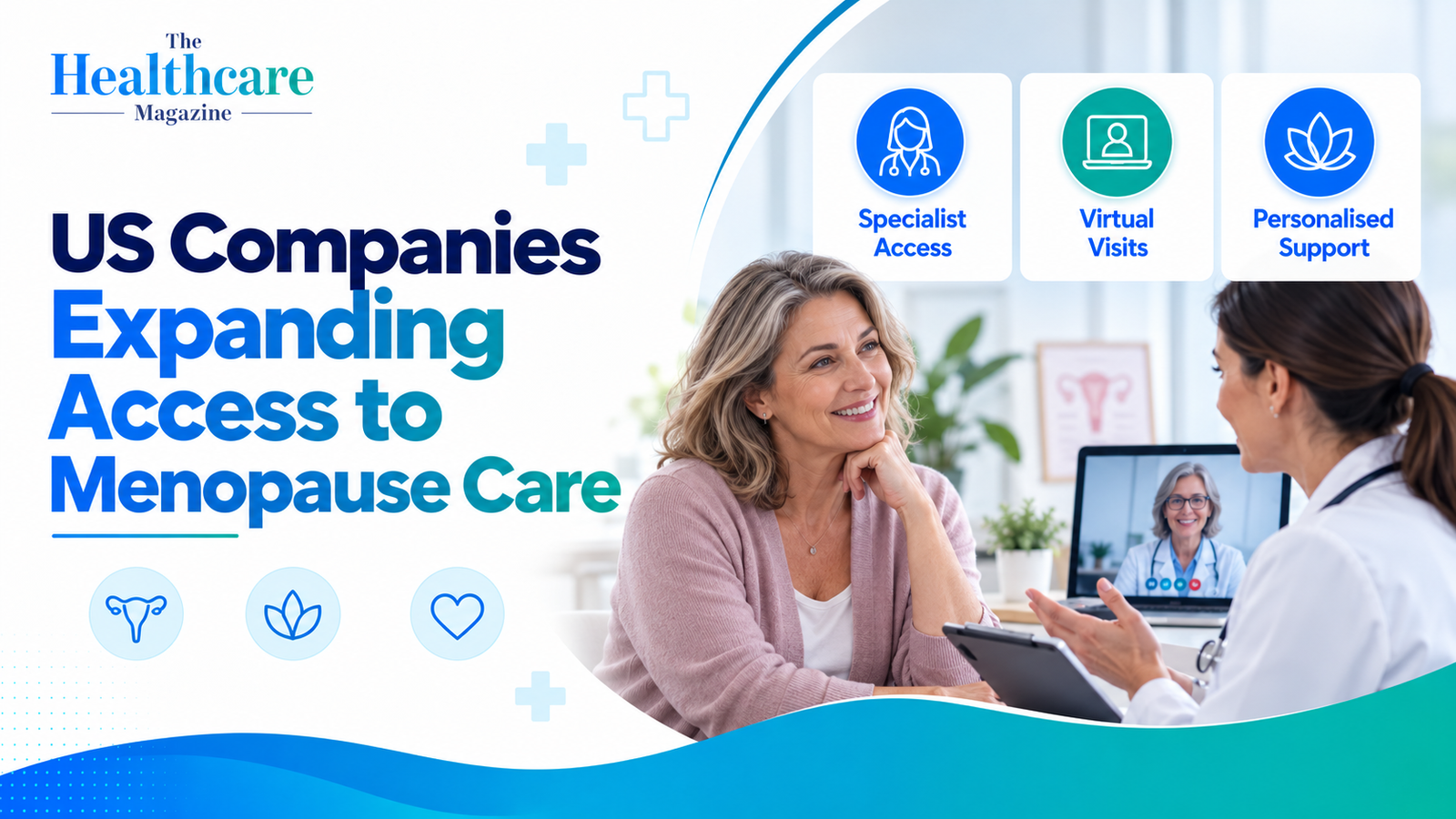
US Companies Expanding Access to Menopause Care
Menopause can affect sleep, mood, temperature regulation, sexual health, and daily comfort. Some people find their symptoms manageable; others need help to keep up with work, family responsibilities, or everyday activities. Yet it can be hard to find a clinician with specific menopause training. Several U.S. healthcare companies are helping people access care for menopause symptoms. They use virtual visits, clinician-led care plans, coaching, employer benefits, and in some cases in-person clinics. Their services differ, so the examples below are best viewed as a guide to the types of care available—not as medical recommendations or endorsements. Why menopause-focused care matters Menopause is a normal life stage, but symptoms can still
Best Ovulation Tracker Apps for Women in the USA
Ovulation tracker apps can help women understand their menstrual cycles, estimate fertile days, record symptoms, and organize information when trying to conceive. Some apps rely mainly on period dates, while others allow users to track basal body temperature, cervical mucus, luteinizing hormone test results, and other fertility signs. These tools can be useful, but they have important limits. An app estimates ovulation using your period dates and previous cycle patterns. The predicted date may not always be accurate. According to the American Society for Reproductive Medicine, fertile days can change from one cycle to another, even in women with regular periods. Therefore, an app’s estimated ovulation date should be treated
Migraine Treatments: Options for Fast Relief and Long-Term Prevention
Migraine is a neurological disease that can cause far more than a severe headache. An attack may include throbbing or pulsing pain, nausea, vomiting, sensitivity to light or sound, dizziness, difficulty concentrating, and visual or sensory changes known as aura. Symptoms can last for several hours or continue for days. Some people experience an occasional attack, while others live with frequent or chronic migraine that affects work, family responsibilities, sleep, and daily activities. There is no single treatment that works for everyone. The right approach depends on the frequency and severity of attacks, other health conditions, previous treatment results, possible side effects, pregnancy considerations, and personal preferences. Migraine treatment usually
Remote Patient Monitoring Platforms Improving Chronic Disease Management
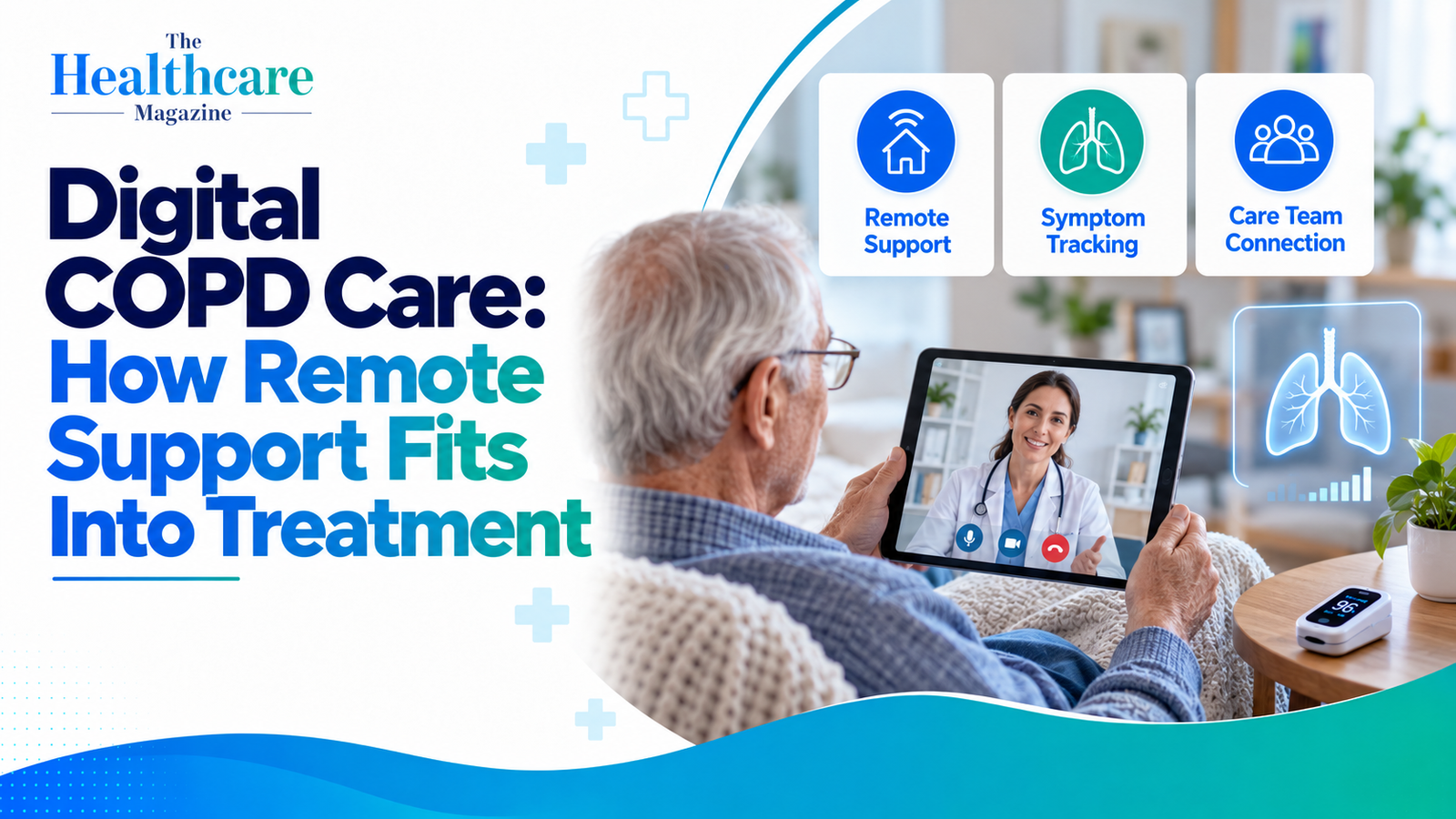
Chronic diseases are among the most significant health challenges in the United States. Conditions such as high blood pressure, diabetes, heart disease, chronic obstructive pulmonary disease (COPD), and heart failure often require ongoing care rather than a single treatment or appointment. For many patients, managing a chronic condition involves taking medication correctly, tracking symptoms, making lifestyle changes, attending follow-up visits, and knowing when to contact a healthcare professional. This can be difficult, especially for older adults, people living in rural areas, patients with limited transportation, and families managing several health concerns at once. Remote patient monitoring platforms are helping healthcare providers stay connected with patients between in-person visits. These platforms
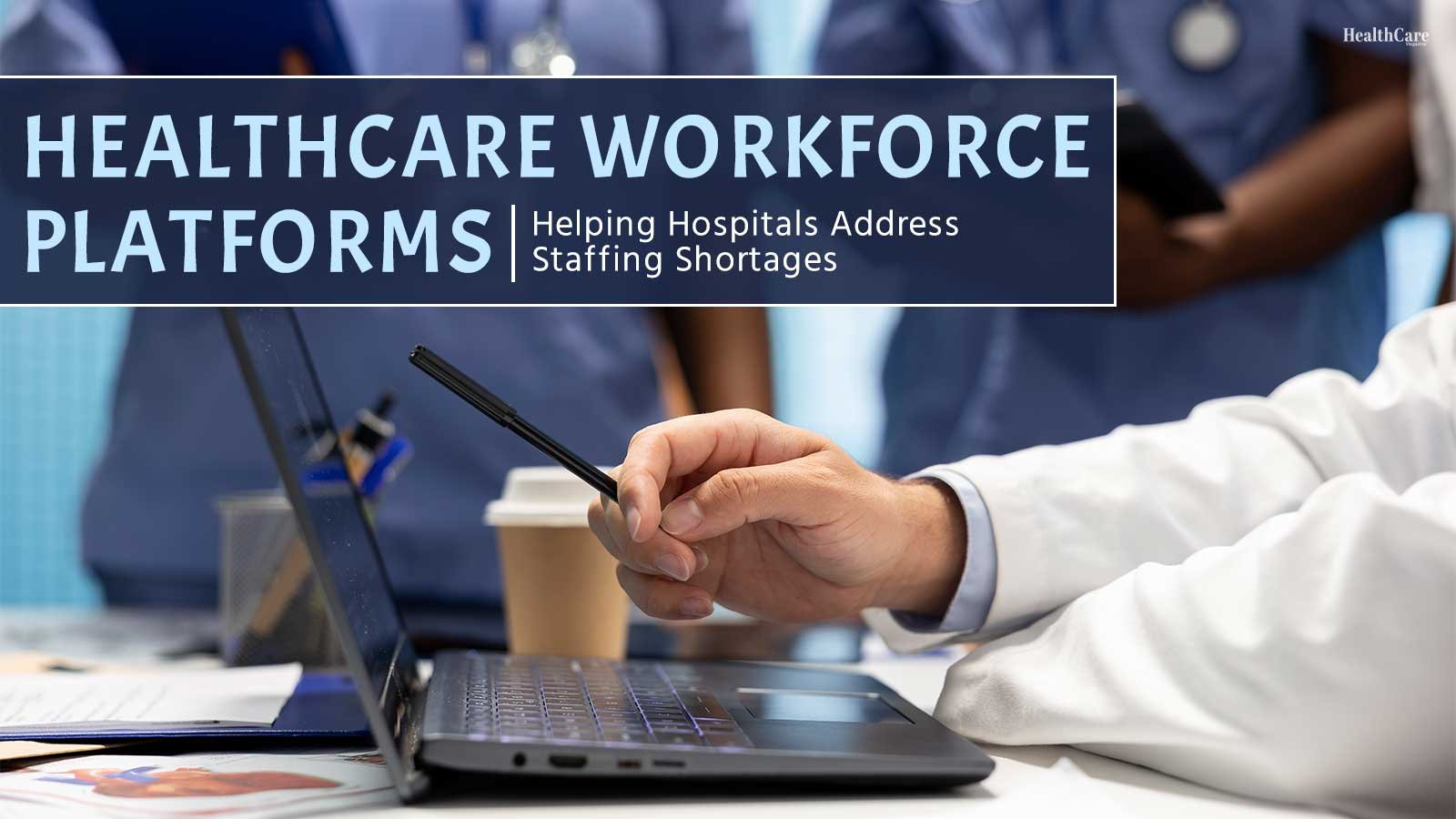
Healthcare Workforce Platforms Helping Hospitals Address Staffing Shortages
Hospitals across the United States are managing a difficult workforce environment. Staffing shortages can affect nurses, physicians, allied health professionals, technicians, behavioral health specialists, and non-clinical teams that keep patient care moving. The challenge is not only about hiring more people. Hospitals must also make better use of the skilled professionals they already have, reduce administrative burden, fill urgent gaps safely, and create workplaces where employees want to stay. Healthcare workforce platforms are becoming an important part of that effort. These digital systems can help hospitals manage scheduling, connect with qualified temporary professionals, streamline credentialing, improve communication, and better understand staffing needs across departments. A platform alone cannot solve a
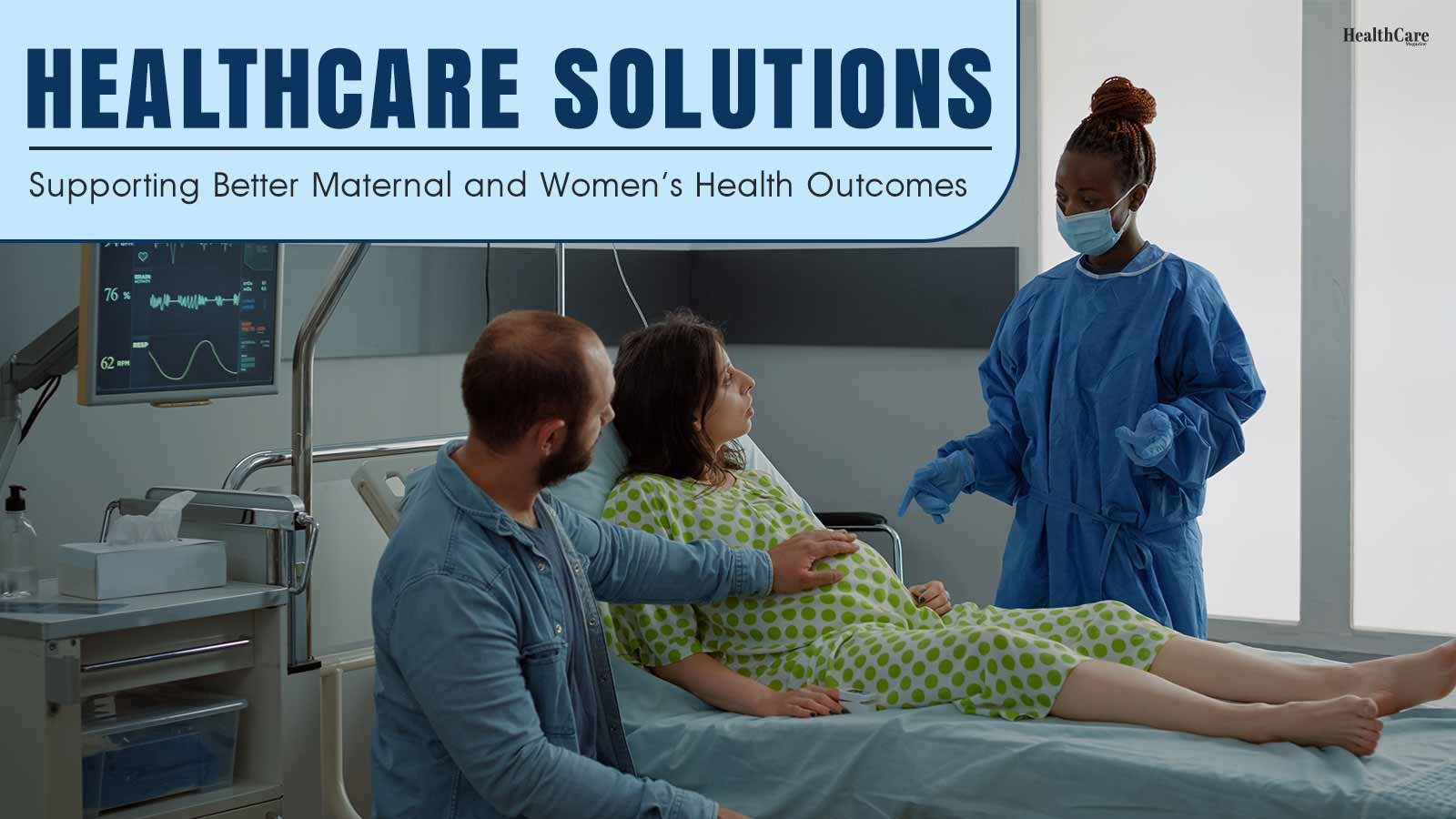
Healthcare Solutions Supporting Better Maternal and Women’s Health Outcomes
Maternal and women’s health is not limited to pregnancy or a single medical appointment. It covers women’s physical and mental health before, during, and after pregnancy. It also includes reproductive care, childbirth, and recovery. In the United States, many women still face barriers that can affect their health outcomes. These may include high healthcare costs, limited access to specialists, long travel distances, language barriers, lack of childcare, and difficulty getting appointments at the right time. For pregnant and postpartum patients, delays in care can be especially serious. The good news is that healthcare systems, community organizations, technology providers, and public-health programs are creating more practical ways to support women. The
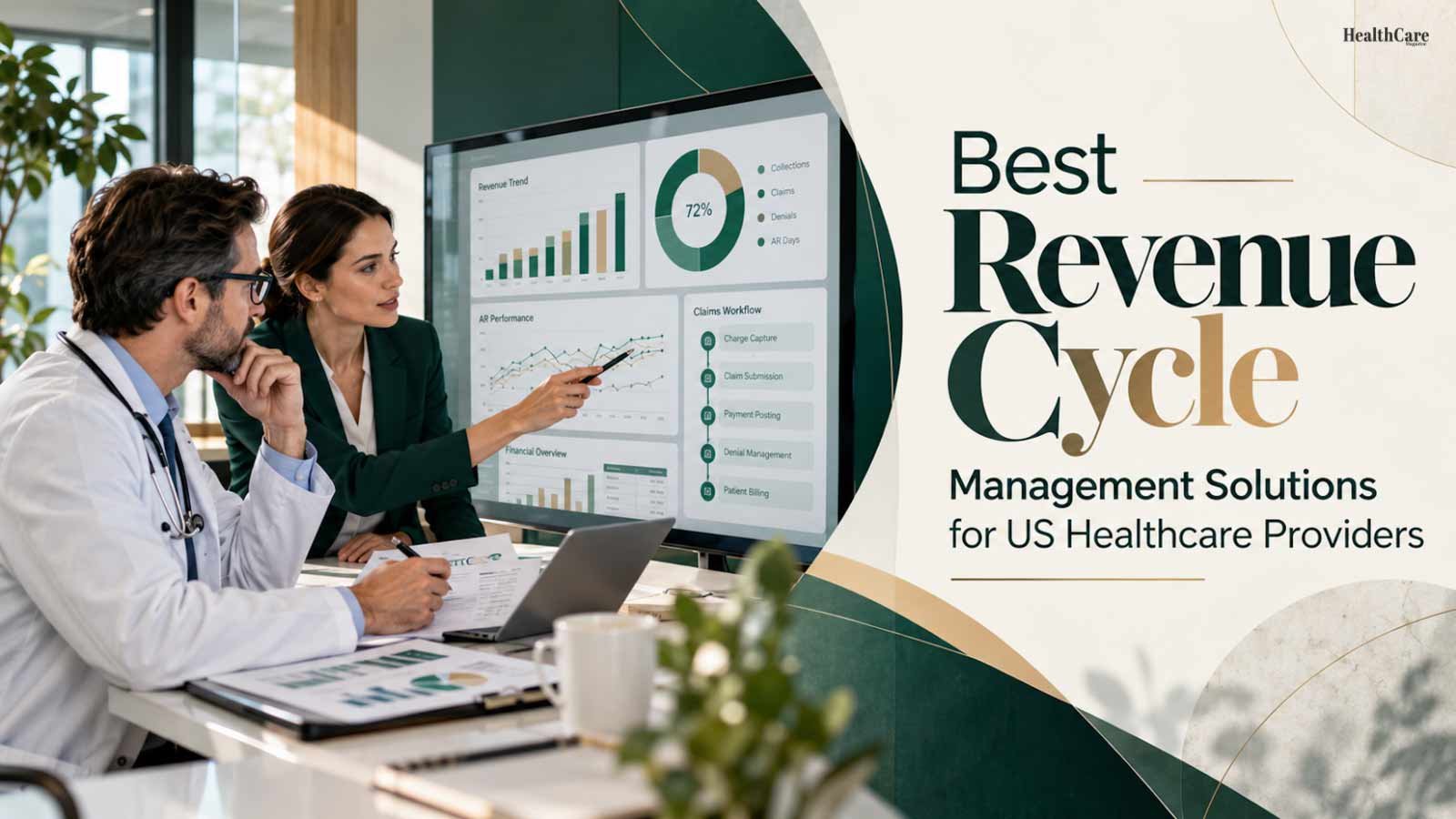
Best Revenue Cycle Management Solutions for US Healthcare Providers
Managing financial viability in the US healthcare sector requires sophisticated Revenue Cycle Management (RCM) solutions. With shifting commercial payer policies, escalating administrative overhead, and stricter compliance mandates under federal guidelines, medical practices and integrated health systems can no longer rely on fragmented billing processes. Choosing the right RCM platform dictates whether an organization thrives or struggles with stagnant cash flow. The Evolution of Healthcare RCM Traditional medical billing was largely reactive, focusing primarily on submitting claims and chasing overdue accounts receivable (AR). Modern RCM software transforms this reactive model into a proactive, end-to-end financial ecosystem. Contemporary platforms manage the entire patient financial journey from pre-registration eligibility verification and point-of-service collections