

US Companies Expanding Access to Menopause Care
Menopause can affect sleep, mood, temperature regulation, sexual health, and daily comfort. Some people find their symptoms manageable; others need help to keep up with work, family responsibilities, or everyday activities. Yet it can be hard to find a clinician with specific menopause training. Several U.S. healthcare companies are helping people access care for menopause symptoms. They use virtual visits, clinician-led care plans, coaching, employer benefits, and in some cases in-person clinics. Their services differ, so the examples below are best viewed as a guide to the types of care available—not as medical recommendations or endorsements. Why menopause-focused care matters Menopause is a normal life stage, but symptoms can still
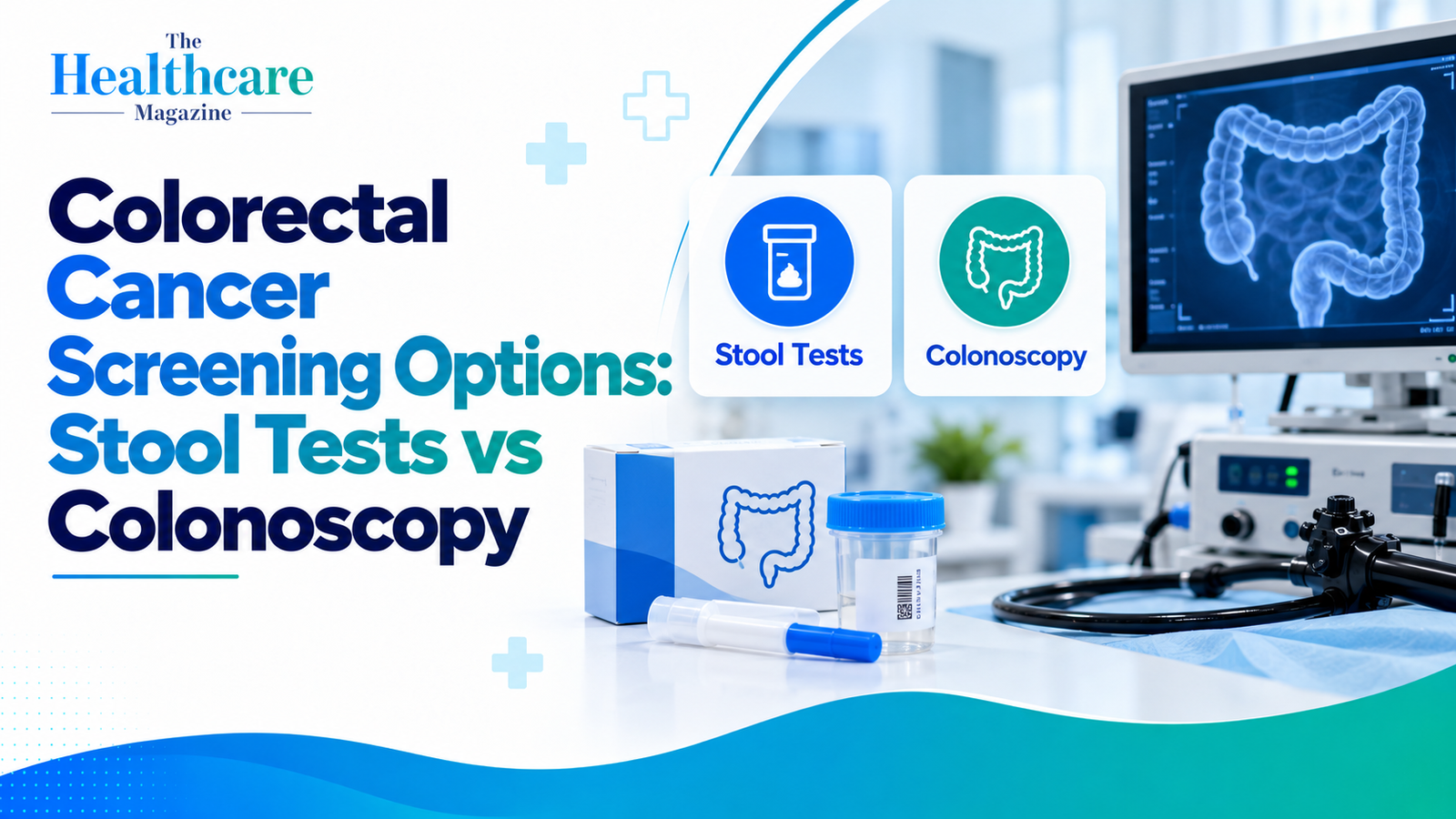
Colorectal Cancer Screening Options: Stool Tests vs. Colonoscopy
Colorectal cancer screening can help detect cancer early, when it may be easier to treat. It can also find polyps—growths in the colon or rectum that may become cancerous. Removing these growths can help prevent cancer. Screening options include tests that use a stool sample you collect at home and a colonoscopy, in which a clinician uses a thin, flexible tube with a camera to examine the colon and rectum. There is no single best option for everyone. The right choice depends on your health, personal and family history, and which test you are most likely to complete on schedule. This article explains how stool tests and colonoscopy differ, what

Best Migraine Medications for Fast Relief During an Attack
A migraine attack can bring more than a severe headache. Many people also experience nausea, vomiting, and sensitivity to light or sound. The right treatment may reduce pain and other symptoms, but there is no single medicine that works best for everyone. The choice depends on how severe the attack is, how quickly it develops, your health history, and whether you can keep oral medicine down. This guide explains the main medicines used for fast relief and when to ask a healthcare professional for help. It is general information, not a personal treatment plan. Follow the label for over-the-counter medicines and your prescriber’s directions for prescription medicines. Treat an attack

Alan Irvine: The Problem Solver Who Turned a Pivotal Ending Into a Bioprocessing Beginning
There is something quietly striking about the image of a doctoral researcher bent over a culture flask, guiding stem cells toward becoming cartilage, tendons, and tissue building, in essence, a biological answer to a mechanical problem. That image captures something essential about Alan Irvine, PhD, eMBA, Founder and Managing Director of A-I Bioprocessing Limited. He has always been, at his core, a man who follows the thread. His foundations lie in mechanical engineering and mathematics. Not the most obvious starting point for someone who would one day build a company at the intersection of biotechnology and commercial strategy, but in retrospect, the logic is unmistakable. “My curiosity led me to

Joe Gottwald II: Bridging the Great Divide between Human Care and Artificial Intelligence
The corner office. It is forged in the dirt, in the high-stakes friction of the moment, and in the quiet decisions made when no one is watching. There is a moment in the life of Joe Gottwald II (Joseph A. G.) that explains everything about how he views the world, and more specifically, how he views leadership. It did not happen in a boardroom in San Diego, where his new company, Ever-Path Acquisitions, LLC, is currently headquartered. It happened decades ago on a hand grenade training range. Joseph was the officer training a soldier. The command was simple: pull the pin and throw. But fear has a way of short-circuiting
Best Appointment Booking and Reminder Tools for Medical Practices
Missed appointments, long hold times, and manual follow-up can create daily pressure for medical practices. Front-desk teams often spend hours answering scheduling calls, calling patients to confirm visits, filling canceled appointment slots, and updating calendars across different systems. Patients also expect more convenience. Many want to book an appointment online, receive a text reminder, complete forms before arriving, and quickly reschedule if their plans change. When the process is difficult, patients may delay care or choose another provider. Appointment booking and reminder tools can help practices create a smoother experience for both patients and staff. The right platform can reduce manual work, improve communication, and make scheduling more organized. However,
Top GLP-1 Care Platforms Helping Americans Manage Weight Loss Treatment Safely
GLP-1 medicines have changed the conversation around medical weight management in the United States. These prescription medicines may be appropriate for some adults with obesity or weight-related health conditions, but they are not a simple “quick fix.” Safe treatment requires a qualified clinician to review a patient’s health history, discuss potential benefits and risks, prescribe only when appropriate, monitor progress, and adjust the care plan when needed. Nutrition, physical activity, sleep, mental health, and long-term follow-up also remain important parts of care. As demand has grown, many digital health companies have introduced GLP-1 care platforms. These services may offer virtual clinical visits, medication support, nutrition coaching, insurance guidance, progress tracking,