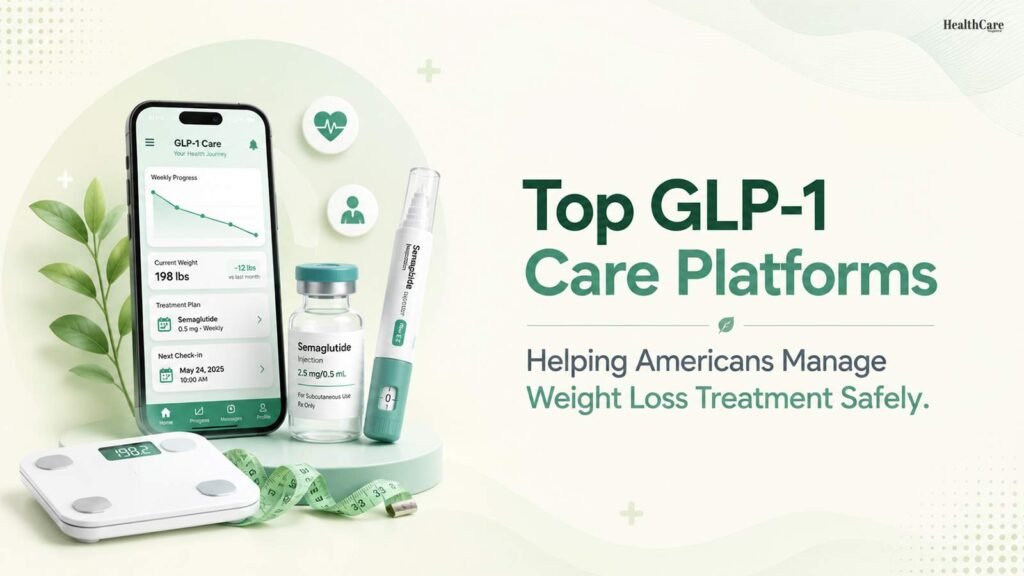
GLP-1 medicines have changed the conversation around medical weight management in the United States. These prescription medicines may be appropriate for some adults with obesity or weight-related health conditions, but they are not a simple “quick fix.”
Safe treatment requires a qualified clinician to review a patient’s health history, discuss potential benefits and risks, prescribe only when appropriate, monitor progress, and adjust the care plan when needed. Nutrition, physical activity, sleep, mental health, and long-term follow-up also remain important parts of care.
As demand has grown, many digital health companies have introduced GLP-1 care platforms. These services may offer virtual clinical visits, medication support, nutrition coaching, insurance guidance, progress tracking, and ongoing communication with a care team.
The right platform can make treatment more accessible. However, not every service provides the same level of medical oversight, pharmacy transparency, or long-term support. Patients should choose carefully and avoid platforms that make unrealistic promises.
This guide explains what a safe GLP-1 care platform should offer and highlights several well-known options available to Americans.
What Are GLP-1 Medicines?
GLP-1 is short for glucagon-like peptide-1. GLP-1 medicines may help manage type 2 diabetes or support long-term weight loss. Their approved use depends on the medicine and the patient’s health.
Some medications used in weight management work by affecting appetite and helping people feel full sooner or for longer. They are not appropriate for everyone, and eligibility should be determined by a licensed healthcare professional.
A clinician should review factors such as:
- Current weight and health goals
- Personal and family medical history
- Existing health conditions
- Current medicines and possible interactions
- Pregnancy, plans for pregnancy, or breastfeeding
- Previous weight-management efforts
- Potential side effects and warning signs
- Insurance coverage and medication access
It is important to understand that a platform should not guarantee that someone will receive a prescription. A responsible provider may decide that a GLP-1 medicine is not the best or safest choice for a particular patient.
Why Safe GLP-1 Care Needs More Than a Prescription
A prescription is only one part of treatment. Patients may need support with managing common side effects, understanding the dosing schedule, improving eating habits, staying active in ways that fit their health needs, and maintaining progress over time.
Some people may experience digestive side effects, such as nausea, vomiting, diarrhea, constipation, or abdominal discomfort. A qualified clinician should explain what to expect, when to contact the care team, and when symptoms may need urgent medical attention.
Medication changes also require careful guidance. Patients should not increase a dose faster than prescribed, share medication, purchase medicine from an unverified seller, or stop treatment suddenly without speaking with their clinician.
Safe care platforms should offer a clear way to contact a licensed provider. Patients should receive clear information about their medicine. This includes the pharmacy name, total cost, and insurance coverage.
What should patients expect from a responsible service? At minimum, they should receive a genuine medical evaluation, transparent information, follow-up access, and medication from a legitimate pharmacy.
How to Evaluate a GLP-1 Care Platform
Before enrolling in a program, patients should look beyond advertisements, celebrity endorsements, and low introductory prices. A platform should make it easy to understand who provides care and how the program works.
Licensed Clinical Care
The service should connect patients with a healthcare professional licensed in their state. A medical questionnaire alone may not be enough for every situation.
Patients should be able to ask questions and receive follow-up support during treatment. If a platform offers medication without proper screening or access to a licensed clinician, it is a major warning sign.
Transparent Pharmacy Information
The U.S. Food and Drug Administration advises patients to obtain a prescription from their doctor and fill it at a state-licensed pharmacy. Patients should know exactly where their medicine is coming from.
If a service uses a pharmacy partner, it should clearly identify that pharmacy and provide usable contact information. Patients should be cautious if the medication label contains errors, unclear information, or a pharmacy name that cannot be verified.
Ongoing Monitoring
Weight-management treatment is not a one-time event. A strong platform should include regular follow-up visits or clinician check-ins.
Monitoring may include weight trends, side effects, medication tolerance, blood pressure, glucose levels when relevant, nutrition concerns, and changes in medical history. The care team should also discuss whether the medicine is helping the patient meet realistic health goals.
Nutrition and Lifestyle Support
Medication may support weight loss, but lasting progress usually requires changes that fit a person’s daily life. Choose a program that provides nutrition guidance and personal support throughout the treatment.
Be cautious of programs that promise dramatic results without discussing food, physical activity, sleep, stress, or long-term habits.
Clear Pricing and Insurance Guidance
GLP-1 medicines can be expensive, and insurance coverage varies widely. A trustworthy platform should explain what its membership or consultation fees include and separate those costs from medication costs.
Patients should check whether the program can verify insurance, request medication approval, manage prescription renewals, and discuss other options if the treatment is not covered.
1. Ro Body Program
Ro is a telehealth company that offers a weight-management program called Ro Body. The program is designed to connect eligible patients with healthcare professionals who can evaluate whether prescription treatment may be appropriate.
Its weight-care service includes virtual care, ongoing support, and assistance related to medication access. The company also provides information about insurance coverage and medication costs, which can be important for patients considering long-term treatment.
Ro may be worth considering for adults who want a digital weight-management service with clinical support and a structured online experience.
Before joining, patients should confirm:
- Whether clinicians are available in their state
- What follow-up care is included
- How prescriptions are sent and filled
- Whether insurance support is available
- The full cost of membership, visits, and medication
Patients should remember that enrollment does not guarantee a prescription. Clinical eligibility should always come first.
2. WeightWatchers Clinic
WeightWatchers Clinic is the company’s medical weight-management offering. It combines virtual clinical care with the broader WeightWatchers behavioral and lifestyle program.
This model may appeal to people who want medical support alongside structured tools for food choices, routines, activity, and behavior change. The clinical component is intended to assess whether prescription weight-management treatment is appropriate.
WeightWatchers Clinic may be worth considering for:
- People who value a well-known lifestyle support program
- Patients who want virtual medical visits and behavior-change tools
- Adults looking for an ongoing structure beyond medication alone
A patient should review the current program terms carefully. Services, availability, medication options, and costs may change by location, insurance status, and medical eligibility.
3. Noom Med
Noom Med is a telehealth-based program that combines medical weight-management services with Noom’s behavior-change and coaching approach.
The platform is designed to help eligible patients explore medication options with a healthcare professional while also receiving support for nutrition, habits, and long-term weight goals.
Noom Med may be a suitable option for people who prefer a digital-first program and want behavior-change support as part of their care plan.
Before selecting it, patients should ask how often they will meet with a clinician, whether they can contact the care team between visits, and how the platform handles medication adjustments or side-effect concerns.
A safe program should not focus only on the number on a scale. It should help patients build habits that can support health during and after treatment.
4. Form Health
Form Health is a virtual medical weight-management service that brings together clinicians and registered dietitians. Its model focuses on personalized treatment plans rather than medication alone.
For some patients, access to a dietitian can be especially valuable. Nutrition support may help patients manage side effects, meet protein and nutrient needs, and create eating habits that are realistic for their lifestyle.
Form Health may be worth considering for:
- Patients seeking a more clinical, team-based model
- Adults who want dietitian support alongside medical care
- People who prefer individualized plans over generic weight-loss advice
Patients should verify whether the program is available in their state, whether it works with their insurance, and how prescriptions are managed if medication is recommended.
5. Found
Found is a telehealth weight-care platform that offers personalized plans, medical support, and coaching. It may include prescription treatment for eligible patients as part of a broader approach to weight management.
The platform may be useful for patients who want remote access to a clinician and ongoing digital tools. It also emphasizes that weight management can be affected by medical, behavioral, and lifestyle factors.
Found may be worth considering for people who want a virtual program with coaching and clinician-guided treatment options.
As with any digital platform, patients should carefully review the pharmacy process, follow-up schedule, state availability, and total costs before enrolling.
Important FDA Warnings About Compounded and Online GLP-1 Drugs
The FDA has raised concerns about unapproved versions of GLP-1 medicines sold for weight loss. Compounded drugs are not reviewed by the FDA for safety, effectiveness, or quality before they are marketed.
The agency states that compounded drugs should only be used when a patient’s medical needs cannot be met by an FDA-approved drug. It also warns consumers to be cautious of online companies that claim compounded medicines are the same as FDA-approved products or offer unusually low prices.
Patients should be especially cautious if a company:
- Does not require screening and a prescription from a licensed clinician
- Does not provide access to a licensed clinician after medication is received
- Does not clearly identify the pharmacy
- Promises medication at prices that seem too good to be true
- Sends medicine in damaged packaging or without proper instructions
- Uses labels with errors, missing details, or questionable pharmacy information
- Sells products labeled “for research purposes” or “not for human consumption”
The FDA has also warned about dosing errors with compounded injectable semaglutide and tirzepatide. Patients should never guess the dose or change how much they take without direct clinical guidance.
Questions to Ask Before You Enroll
Patients can use these questions to compare GLP-1 care platforms:
- Will I be evaluated by a licensed clinician in my state?
- Does the program provide follow-up care?
- What medications may be considered, and why?
- Where will my prescription be filled?
- Is the pharmacy state-licensed?
- Is the medication FDA-approved, compounded, or another product?
- What are the membership, consultation, and medication costs?
- Does the service support insurance verification or prior authorization?
- Can I speak to a clinician if I have concerns after starting treatment?
- What happens if the medication is not appropriate for me?
Clear answers to these questions can help patients separate responsible healthcare services from programs built mainly around sales.
Final Thoughts
GLP-1 care platforms can make medically supervised weight-management treatment more accessible for Americans. The best platforms do not simply sell a prescription. They provide clinical evaluation, transparent pharmacy information, ongoing monitoring, realistic lifestyle support, and clear communication.
Ro Body, WeightWatchers Clinic, Noom Med, Form Health, and Found are examples of platforms that offer structured weight-management services. The right choice depends on a patient’s medical needs, state availability, insurance, budget, comfort with telehealth, and access to follow-up care.
Most importantly, patients should choose a service that puts safety before speed. Weight-loss treatment is personal, and it deserves the same careful, evidence-based approach as any other area of healthcare.