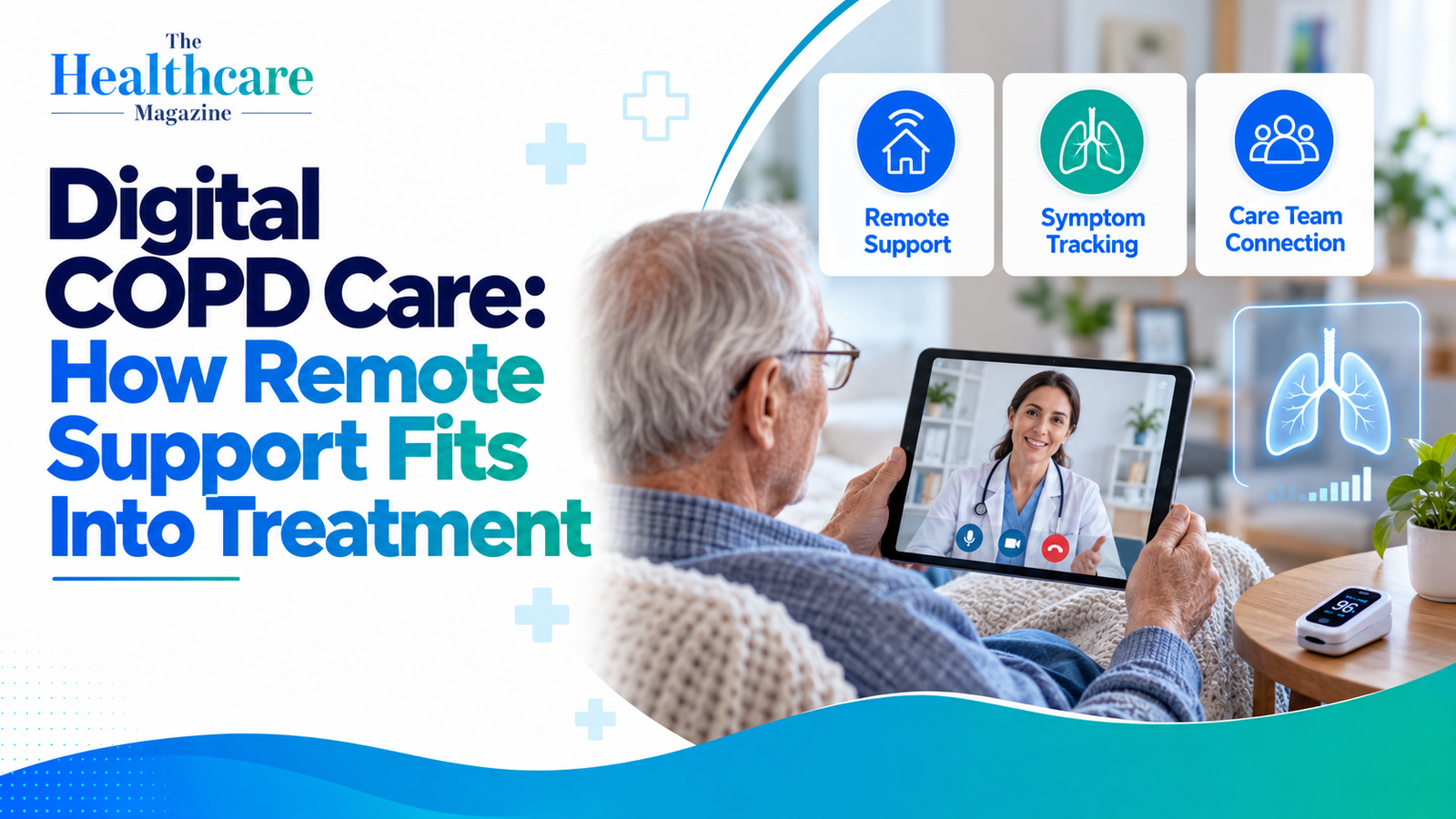

Telehealth is evolving fast. What started as video consultations has now grown into a multi-layered digital care ecosystem.The companies in this field are not just “virtual” clinics. They have built scalable revenue models based on technology, data and convenience-driven healthcare.
This article will provide an in-depth analysis of how telehealth providers are monetizing the remote care they offer and why the healthcare future will be hybridized, digitally and patient-centric.
1. Subscription-Based Virtual Care Plans
Subscriptions are the most powerful monetization formats. It ensures predictable recurring revenue.
How it works
- Patients pay monthly or annual fees.
- They get access to unlimited virtual visits or a specific number of consults.
- Includes chat support, follow-ups, or remote monitoring.
Why it works
- Patients love predictable costs.
- Providers benefit from stable revenue.
- Easy to scale across specialties: dermatology, mental health, chronic care.
Examples of subscription models
- Virtual primary care memberships.
- Wellness and therapy packages.
- Chronic disease management bundles.
2. Per-Visit Charges and Instant Consult Fees
There are many telehealth platforms that are followig a simple pay-per-use structure. This is ideal for patients who don’t want recurring fees.
Revenue Streams
- One-time video consult charges.
- Additional fees for prescription refills.
- Add-on charges for extended consultation time.
Why companies prefer this model
- Easy to set up.
- Works for urgent care and specialty consults.
- Attracts first-time users who later convert to memberships.
3. Remote Patient Monitoring Billing
RPM has become a major money-maker for its regulations that are reimbursement-friendly.
How telehealth companies monetize RPM
- Providing connected devices like BP cuffs, glucose monitors, pulse oximeters.
- Charging monthly monitoring fees.
- Billing insurance for data review and clinician feedback.
RPM benefits
- Effective for chronic conditions.
- Reduces hospital visits.
- Generates continuous revenue instead of one-time transactions.
4. Selling Digital Health Devices and Wearables
In a scenario where hardware revenue is increasing, telehealth companies bundle devices with their plans of care to increase revenue.
Common devices
- ECG patches.
- Smart thermometers.
- Sleep tracking and fertility devices.
- Home diagnostic tools.
Why this model works
- One-time device sales create upfront profit.
- Paired software subscriptions generate long-term recurring income.
- Improves patient adherence and care outcomes.
5. White-Label Solutions for Hospitals and Clinics
Many telehealth companies operate behind the scenes by licensing their platforms to healthcare providers.
White-label monetization
- Selling ready-made telehealth software to hospitals.
- Charging licensing fees per provider or per patient.
- Offering customization and support in the form of premium add-ons.
What makes it profitable
- Healthcare groups save development costs.
- Telehealth companies expand reach without building their own patient base.
- Highly scalable model with minimal operational overhead.
6. Corporate Wellness Partnerships
Businesses are now investing heavily in employee health.
Telehealth platforms are tapping into this demand.
Revenue channels
- Selling virtual care packages to employers.
- Offering mental health, wellness coaching, and annual check-ups.
- Providing 24/7 medical support as part of HR benefits.
Why companies pay for this
- Reduces employee sick days.
- Improves productivity.
- Cuts corporate insurance costs.
7. Insurance Reimbursements and Value-Based Care
Insurance is increasingly covering telehealth services.
This has opened new revenue doors.
How monetization works
- Charging insurers for virtual visits.
- Billing for chronic disease management.
- Using value-based care contracts focused on outcomes.
Benefits
- Higher patient volumes.
- Better reimbursement rates.
- Stronger partnerships with insurers and healthcare networks.
8. Digital Pharmacies and E-Prescription Fulfillment
Telehealth and pharmacy services are merging.
Virtual clinics now manage the full patient journey, from consultation to medication delivery.
Monetization options
- Revenue from medication sales.
- Partnerships with third-party pharmacies.
- Subscription-based medication refills for chronic users.
Why it’s powerful
- Increases lifetime value per patient.
- Enhances patient convenience.
- Creates a complete loop of healthcare within one station.
9. AI-Powered Symptom Checkers and Premium Triage Tools
AI tools have become a source of revenue on their own.
How telehealth companies monetize AI
- Charging clinics to use AI triage tools.
- Offering premium app features for consumers.
- Selling data-driven clinical insights to healthcare systems.
Popular AI-driven features
- Symptom input and auto-diagnosis suggestions.
- Automated triage for emergency vs. non-emergency care.
- Personalized health recommendations.
AI is attractive to enterprise clients because it increases efficiency and reduces the workload of doctors.
10. Partner Programs and Affiliate Monetization
Partnerships open creative revenue doors.
What these partnerships include
- Fitness app integrations.
- Lab testing services.
- Insurance packages.
- Wellness products.
How companies earn
- Commissions for referrals.
- Revenue sharing models.
- Co-branded virtual care programs.
These partnerships help telehealth companies expand their ecosystem without heavy investment.
11. Data Analytics and Insights Services
Healthcare is built on data.
Telehealth companies are turning anonymized insights into revenue.
Monetization examples
- Selling trend reports to insurers.
- Providing clinical data dashboards to hospitals.
- Offering analytics subscriptions to health researchers.
Use cases
- Predicting patient needs.
- Tracking chronic disease trends.
- Improving care paths.
Telehealth services that are data-driven will be more stable over time.
12. Specialized Niche Care Programs
Niche telehealth segments are booming.
Companies are monetizing remote care by focusing on underserved spaces.
Popular niche categories
- Fertility and women’s health.
- Mental health therapy.
- Dermatology.
- Senior care and caregiver support.
- Pediatric telehealth.
Why niches work
- High patient demand.
- Lower competition.
- Higher willingness to pay for specialized services.
13. Online Courses, Workshops, and Health Education
Some telehealth providers are packaging expertise into digital education.
Types of monetized content
- Chronic condition management classes.
- Nutrition courses.
- Mental wellness workshops.
- Self-care toolkits.
Revenue models
- One-time course fees.
- Subscription access to all content.
- Corporate licensing.
14. Virtual Diagnostics and At-Home Test Kits
At-home testing is a fast-growing segment.
Monetization
- Selling test kits for allergies, hormones, nutrition, or infections.
- Charging for result interpretation.
- Offering follow-up telehealth consults as paid add-ons.
Benefits
- High convenience.
- Accurate diagnostics.
- Brings lab services directly to homes.
Final Thoughts
Telehealth companies are no longer dependent on one revenue stream. They are building multi-channel monetization ecosystems – mixing subscriptions, devices, AI tools, pharmacy services, wellness programs, and insurance partnerships.
Remote care is here to stay. And the more these platforms diversify, the more sustainable, profitable, and patient-friendly the digital healthcare market becomes.