
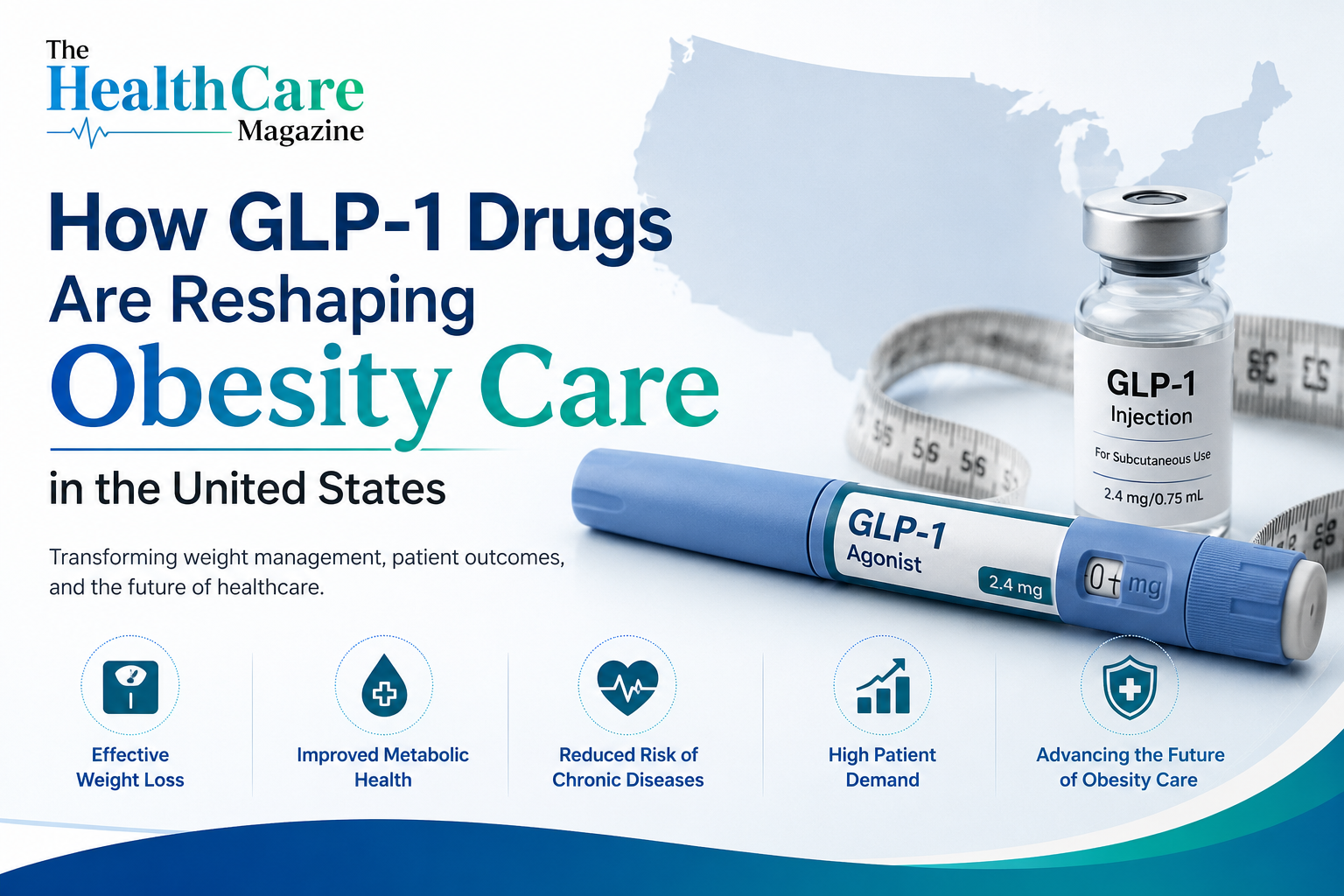
How GLP-1 Drugs Are Reshaping Obesity Care in the United States
For decades, obesity care in the United States followed a familiar pattern: eat less, exercise more, and try to maintain the results. For many people, that approach was not enough. Obesity is now widely recognized as a complex chronic disease influenced by biology, genetics, metabolism, environment, behavior, medications, and other health conditions. At the same time, a newer generation of medications is changing how physicians and patients approach weight management. GLP-1-based drugs have quickly become one of the biggest developments in obesity treatment. Medications such as Wegovy and Zepbound are helping some patients achieve levels of weight loss that were previously difficult to reach without bariatric surgery. But the impact
How GLP-1 Drugs Are Reshaping Obesity Care in the United States
For decades, obesity care in the United States followed a familiar pattern: eat less, exercise more, and try to maintain the results. For many people, that approach was not enough. Obesity is now widely recognized as a complex chronic disease influenced by biology, genetics, metabolism, environment, behavior, medications, and other health conditions. At the same time, a newer generation of medications is changing how physicians and patients approach weight management. GLP-1-based drugs have quickly become one of the biggest developments in obesity treatment. Medications such as Wegovy and Zepbound are helping some patients achieve levels of weight loss that were previously difficult to reach without bariatric surgery. But the impact

Top Healthcare Consulting Companies in the USA
Healthcare organizations in the United States are dealing with a long list of challenges: rising operating costs, workforce shortages, changing reimbursement models, cybersecurity risks, regulatory requirements, new technologies, and growing expectations from patients. Hospitals, health systems, physician groups, health plans, life sciences companies, and other healthcare organizations often bring in healthcare consulting companies when they need specialized knowledge or an outside perspective. The right consulting firm can help an organization improve financial performance, redesign operations, introduce new technology, strengthen patient experiences, or develop a long-term growth strategy. There is no single consulting company that is the “best” for every healthcare organization. Some firms are known for broad strategy work, while
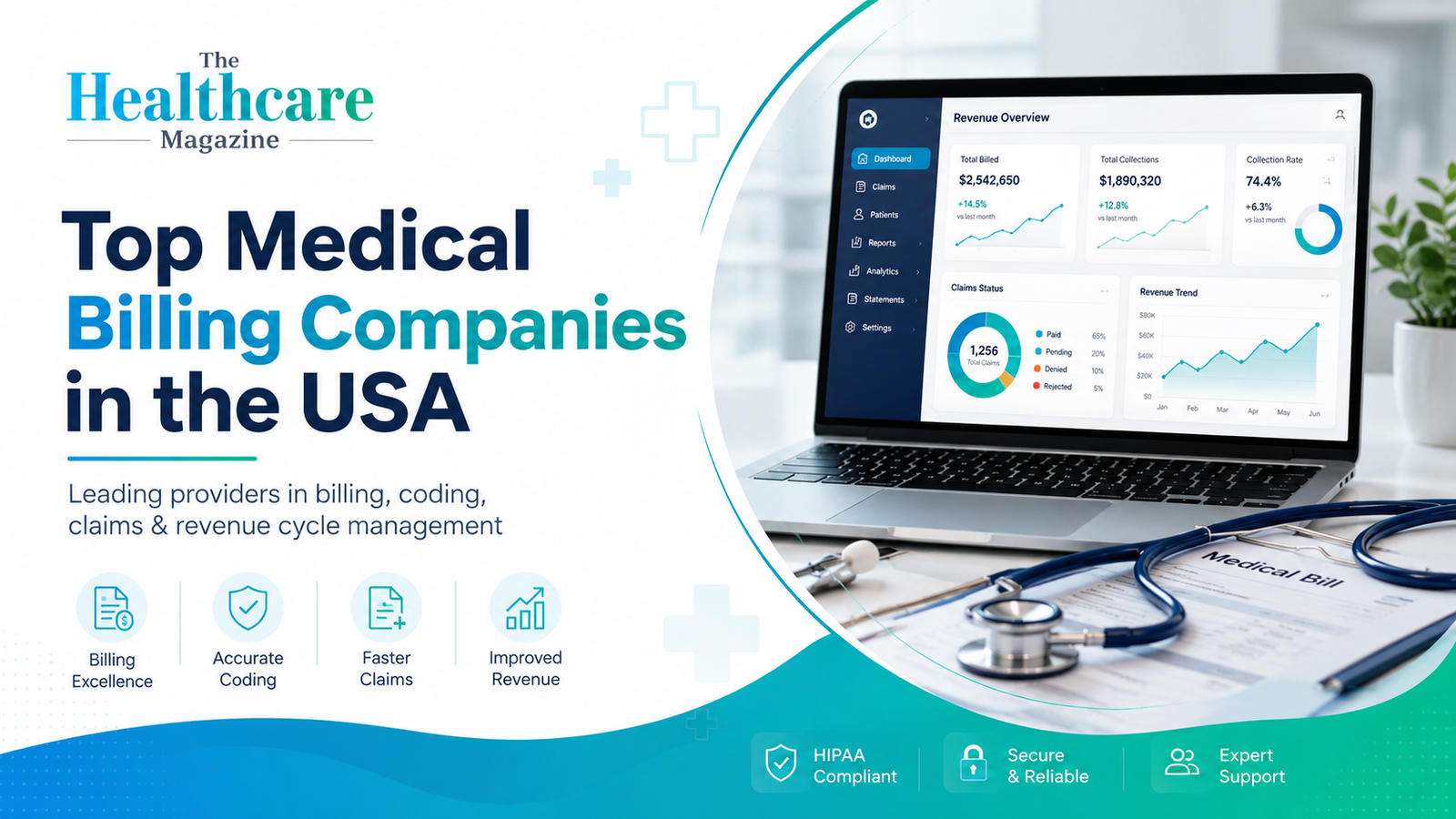
Top Medical Billing Companies in the USA
Medical billing is one of the most important parts of running a financially healthy healthcare organization. Physicians may provide excellent patient care, but delayed claims, coding errors, denied claims, and slow follow-ups can create serious revenue problems. Medical billing is the process of submitting claims to insurers and other payers so healthcare providers can receive payment for the services they deliver. It is also a key part of the broader revenue cycle management (RCM) process, which begins with patient registration and continues through final payment. For many U.S. practices, outsourcing some or all of this work can reduce the administrative burden on internal teams. But medical billing companies differ significantly
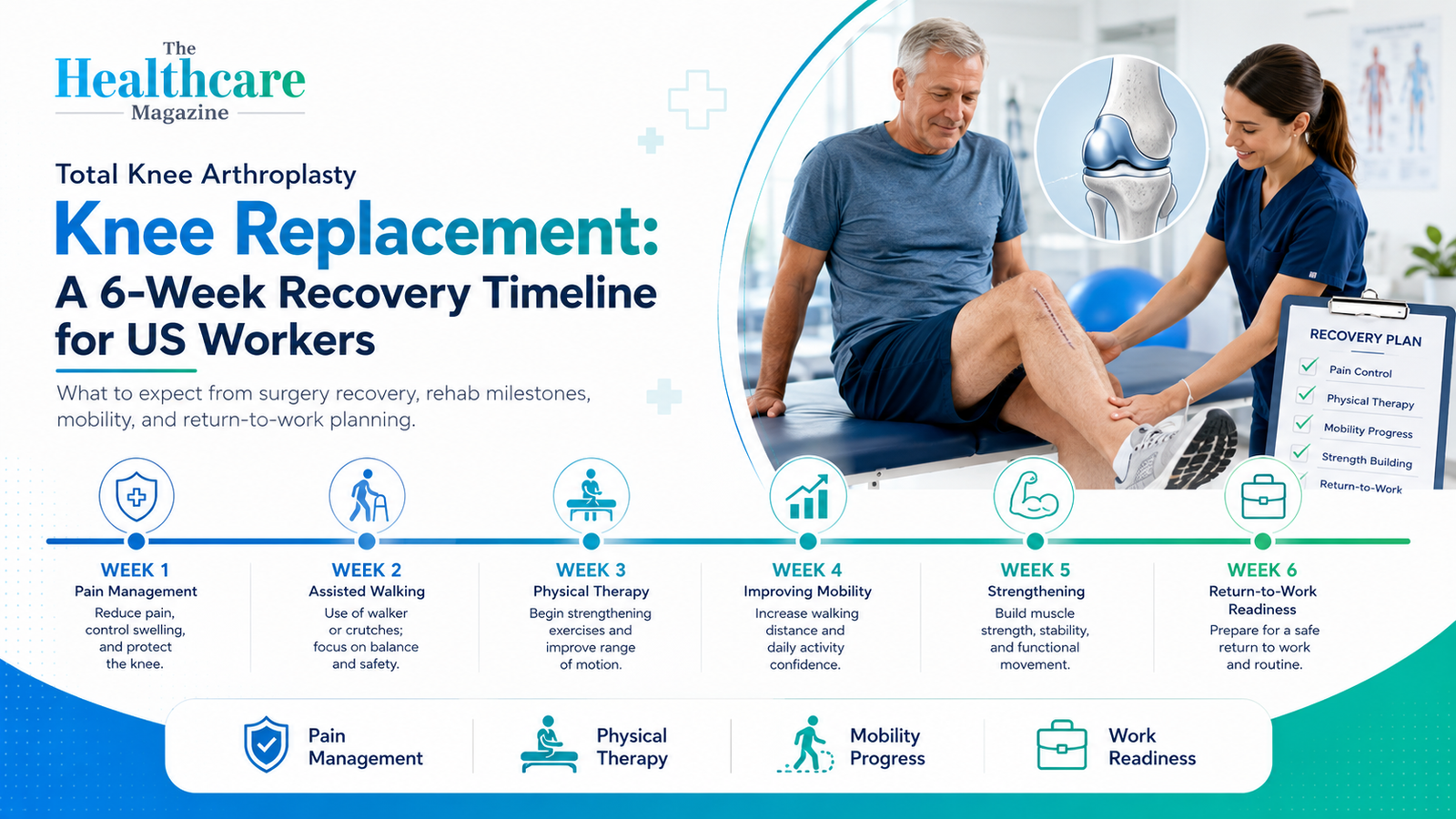
Total Knee Arthroplasty (Knee Replacement): A 6-Week Recovery Timeline for US Workers
For many working Americans, deciding to have a total knee replacement involves more than preparing for surgery. One of the biggest practical questions is: “When can I return to work?” Total knee arthroplasty (TKA), commonly called total knee replacement, replaces damaged parts of the knee joint with artificial components. It is often considered when severe knee pain and stiffness make walking, working, sleeping, or completing everyday activities difficult. Recovery does not happen overnight. While the first six weeks can bring major improvements in mobility and independence, full recovery often takes several months. Your age, general health, job demands, physical therapy progress, and the type of surgery can all affect the

What Healthcare Leaders Should Know About the HIPAA Security Rule Updates
Healthcare leaders in the United States are paying closer attention to cybersecurity, privacy, and patient data protection. One major reason is the proposed update to the HIPAA Security Rule. The HIPAA Security Rule is not new. It has been part of healthcare compliance for years. The main goal is to protect patients’ health information when it is stored, shared, or used electronically. This includes patient data that is created, received, stored, or shared in electronic form. But healthcare has changed a lot since the rule was first developed. Hospitals, clinics, health plans, labs, pharmacies, and business partners now rely on digital systems every day. Cyberattacks have also become more serious.
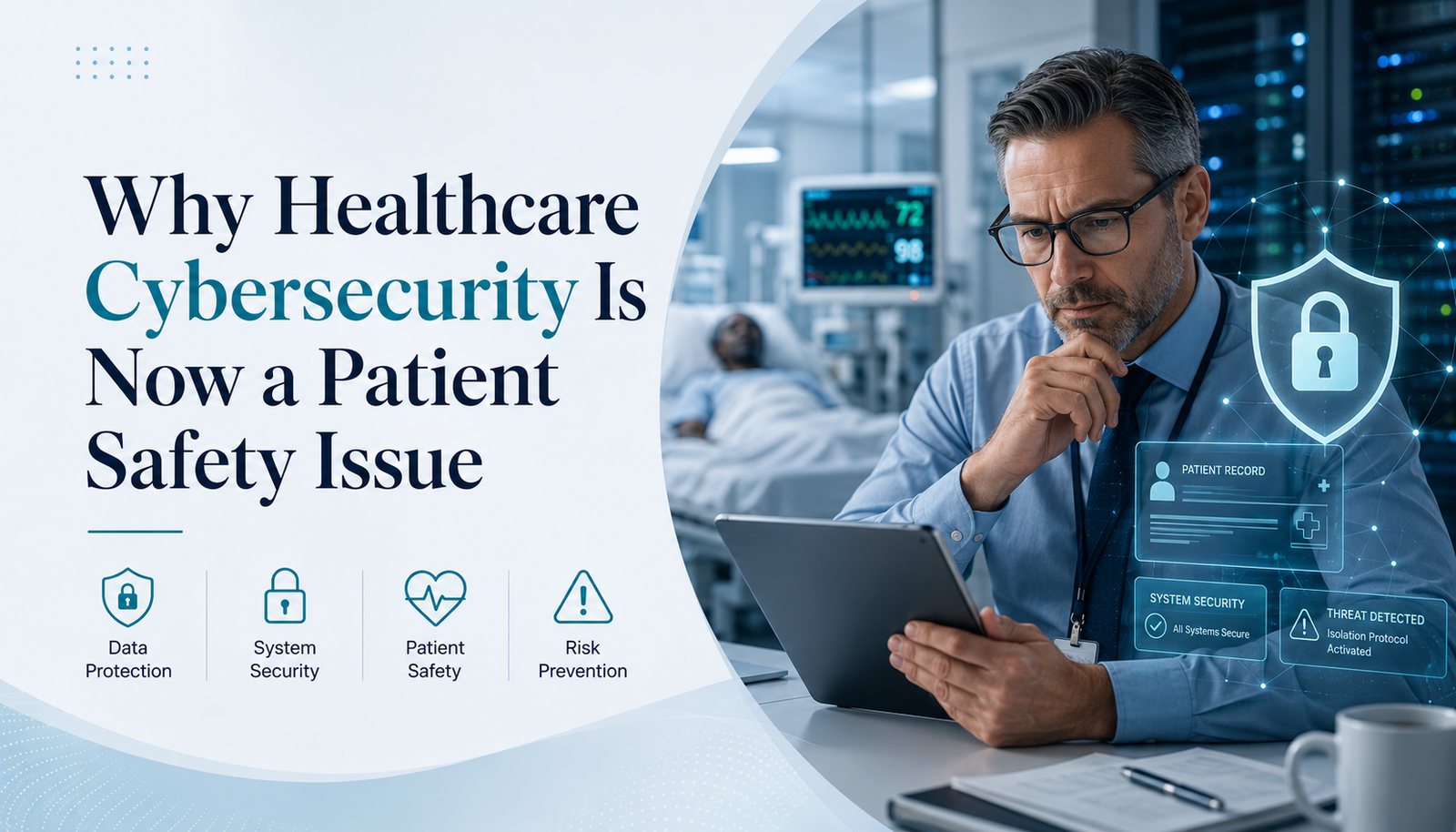
Why Healthcare Cybersecurity Is Now a Patient Safety Issue
Healthcare cybersecurity is no longer only an IT problem. It is now a patient safety issue. Hospitals, clinics, pharmacies, laboratories, and health systems depend on digital tools every day. Patient records, test results, prescriptions, billing systems, medical devices, appointment platforms, and communication tools are all connected in some way. When these systems work well, care becomes faster and more organized. But when they are attacked or shut down, patient care can be delayed, disrupted, or put at risk. For healthcare organizations in the United States, cybersecurity is now part of protecting patients. Healthcare Depends on Digital Systems Most healthcare work now depends on technology. Doctors use electronic health records to