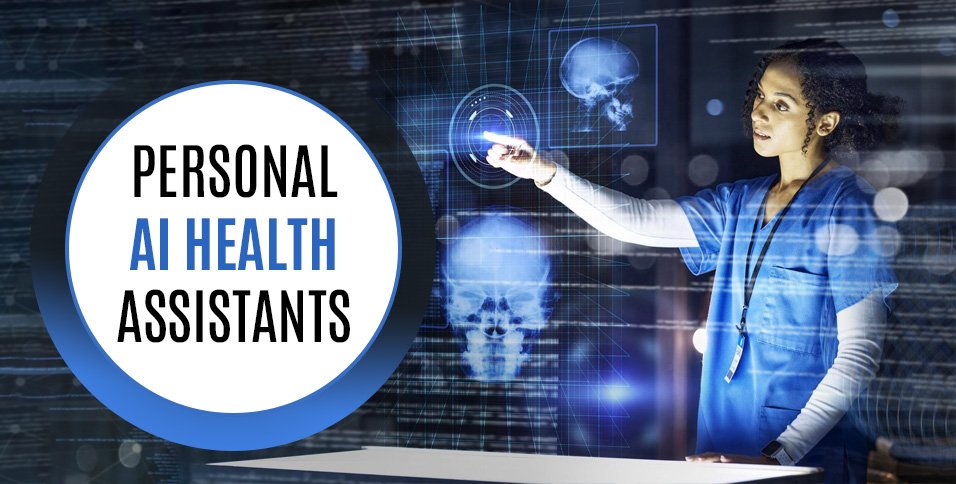
The future of healthcare will change and different companies and organizations are adapting AI health assistants which is becoming a game changer in patient support, helping healthcare teams deliver smarter, faster and more personalized healthcare. According to one of the reports of Deloitte 40% of the healthcare organizations have already adopted AI, putting ahead different other industries such as retail and manufacturing.
Today the patients are getting streamlined and personalized services whether they are scheduling an appointment, investigating a new health insurance policy or seeking a mental health support. AI Is not there to replace support teams, doctors or nurses but it is becoming a sharing hand for the supporting staff which can help to recognize context, understand emotion and respect the real concerns behind every patient story.
What are virtual assistants in the healthcare industry?
Virtual assistants in the healthcare industry are tools which uses artificial intelligence to assist both medical professionals and patients. These systems make best use of AI technology and can communicate through text or voice using technologies like natural language processing to respond to the relevant questions.
Healthcare organizations uses virtual assistants for different purposes such as monitoring patient health which includes answering administrative queries and scheduling appointments and providing information about medical conditions or medications.
One of the main feature is to automate the tasks by handling routine inquiries which also enable healthcare staff to focus on direct patient care. Virtual tools act as a support system to streamline the process, improve communication and enhance patient engagement.
Applications for AI Assistants in Healthcare:
Here are few examples how AI assistants help in healthcare and monitoring patient activity:
- Sharing Public Health Information: AI assistants help in spreading public health information during crises which deliver real-time updates on travel advisories, vaccination campaigns and disease outbreaks through different messaging platforms, websites and mobile apps. Such tools help in empowering different communities with reliable guidance, promote health literacy and help to combat misinformation. For example CDC’s virtual assistant and World Health Organization were combined together during pandemic to disseminated health information, answer questions and users to the appropriate resources.
- Locating Healthcare Services: The AI assistants and systems help to find the locations based on real-time availability and proximity. These systems use different GPS data and integrated database to provide tailored directions and recommendations which is helpful in emergencies or any patients who is travelling and is unfamiliar with the area. Some chatbot services helps in locating the healthcare in easy manner, improving access to relevant healthcare to the patients.
- Medication Reminders: One of the main component to manage chronic illness is to have medicine on time and in this case patients are unable to remember their schedules. AI assistants help in sending personalized reminders about the medicine about the refill alerts, dosage and timing. Such AI assistants help in logging patient responses. Providing insights to the caregivers which provide better long term outcomes for patients, reduced complications and improved adherence.
- Answering Patient FAQ: AI assistants help in handling questions in real time, offering freedom to the human staff so that they can focus on more complex issues. Most of the inquiries are repetitive and do not require clinical expertise and most of questions are asked about medication instructions, insurance policies and office hours. The tools are usually available through websites, apps and voice enable devices which help in offering fast and accurate responses. Patients usually get fast replies without waiting or navigating complex websites. There are many companies like Buoy Health and Ada Health which provides 24 hours chat-bots for guidance and answering common healthcare enquiries, helping patients to make informed decisions.
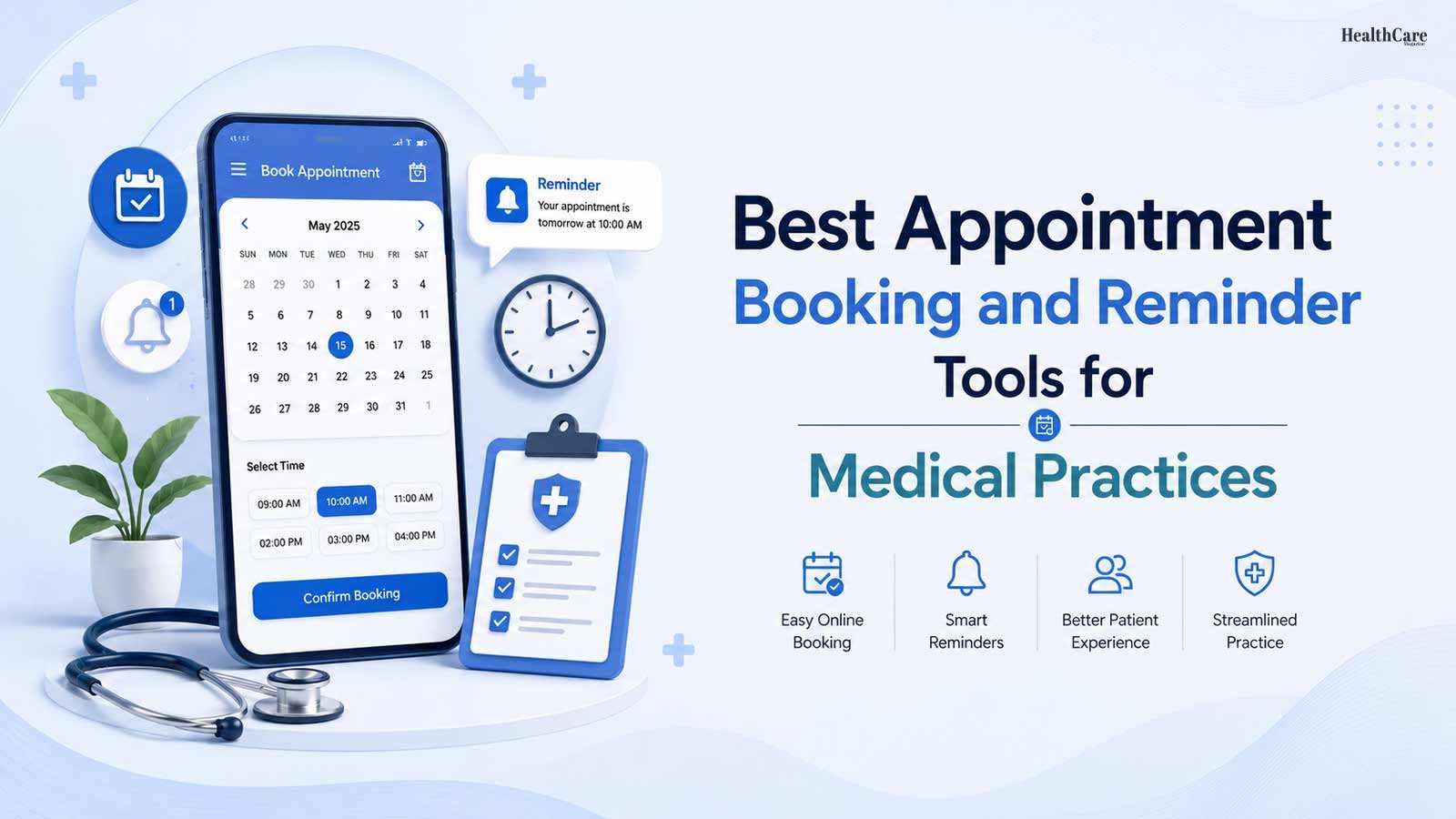
- Appointment Scheduling: AI assistants are revolutionizing how patients are scheduling their healthcare appointments. These systems help in rescheduling, booking and doing cancellations without human intervention where it helps in reducing the burden on administrative staff and minimizing long wait times at call centers. Patient can access these tools anytime and even outside of business hours which help to improve the overall experience and satisfaction. Certain healthcare institutions such as Mount Sinai, Mayo Clinic and Cleveland Clinic have integrated AI assistants that help to streamline the process of appointment management.
Conclusion
AI assistants are reshaping healthcare by providing patients with more seamless, efficient and accessible services. From scheduling appointments to online cancellation and providing timely health information these tools have reduced the overall administrative burdens by enhancing overall health of the patient.
As the technology is growing, the future market will see more changes in AI healthcare giving benefits to both professionals and patients serving as major supportive tools which help in optimizing healthcare operations and deliver modern healthcare in an amazing manner. Optimized workflows are helping facilities to operate in more sustainable manner bring in the long term system resilience. Let’s build a great future of healthcare with amazing AI assistants.