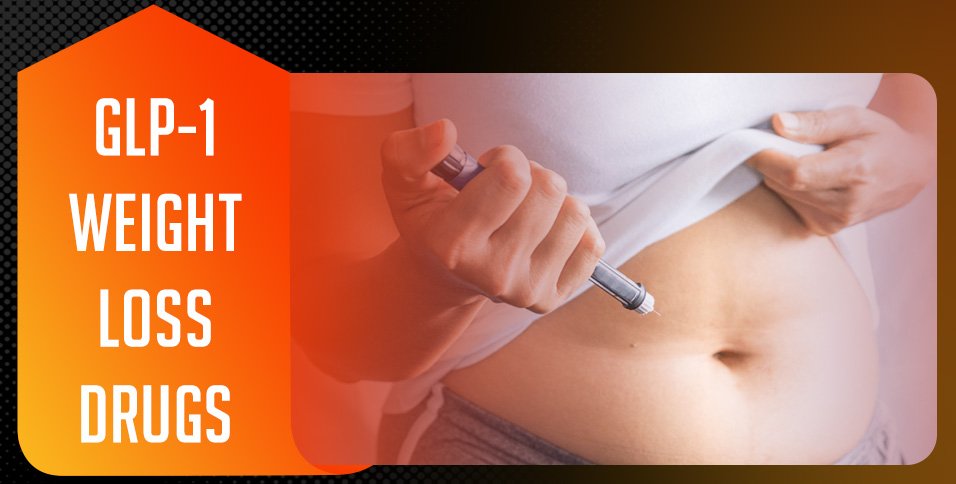
The world is experiencing great changes in the healthcare sector and consumer industries. With the advancement of new technologies and drug care, a new class of medication was developed for diabetes, now helping in the weight loss treatments.
Different drugs like Zepbound, Wegovy and Ozempic are driving million of sales and bringing a big changes in the sectors from food, fitness and pharma investing. According to the National Institutes of Health, clinical trials shows that GLP-1s can help to lose 15% of the body weight which cannot be achieve through traditional diet and exercise.
Obesity rates in U.S is increasing day by day and traditional approaches, older drugs, diets and exercise are not sufficient to lose weights. GLP-1 drugs are medications which have changed the digestion game, helping people to feel full longer and eat less. The popularity of these drugs have been amplified by celebrities, social media and cultural buzz. With the consumption of these drugs, the pharmacies have struggled with shortage and insurers have grappled with high monthly costs.
Key Players in GLP-1 Drug Market:
Some of the main key players in the GDP- 1 drug development is Novo Nordisk and another one is semaglutide which is sold under the names of Wegovy and Ozempic for weight loss and diabetes. With the advancement in the technology the companies are improving the effectiveness of the drugs.
Novo Nordisk continues to expand the pipeline of therapies by focusing on boosting effectiveness and reducing side effects. One of the another drug named Zepbound shows basically lower A1C levels and body weight in clinical trials. According to one of the data from 2024 it has been stated that participants lost average of 15.6% of their body weight after 48 weeks.
GLP- 1 Market Size and Growth Projections
The GLP-1 drug market is projected to grow at compound annual rate CAGR of 10.3% from 2024 to 2031. The growth is driven by rise of obesity and diabetes in the U.S Markets. The market forecast of GLP-1 Drugs usually highlights opportunity for the business.
J.P Morgan has doubled the market forecast of GLP-1 drugs, stating that the market will reach to $100 billion by end of 2030. The companies in the industry are understanding how GLP-1 drug makers and other weight loss drugs are helping consumers for reduction in the obesity.
Why patients are flocking to telehealth for GLP-1?
Certain factors why telehealth has become one of go to source for GLP-1 Prescriptions are as follows:
- Great Marketing: Telehealth companies are into aggressive marketing campaigns for promoting the popularity of GLP-1 drugs for change in the weight loss. The companies have flooded social media and search engines for the same which is drawing patients to know more about the drugs availability.
- Expanded Reach: One of another reason is telehealth is bridging the gap between the rural and modern areas, which means easy access to GLP-1 drugs without travelling long distances to meet a new healthcare provider.
- Privacy: Weight loss is often a sensitive subject and some patients need medicines in their homes only. Telehealth companies are allowing patients to skip face to face conversations about health and weight goals and able to deliver the medicines to their home with online consultations.
- Convenience and Accessibility: With the ease of access, people can book online consultations and appointments without waiting for weeks or months. This is relatable to people who are eager to begin their weight loss journey.
Challenges faced by telehealth and GLP-1
With advantages often comes the challenges. Some of the major challenges are as follows:
- Ethical Considerations: The blooming business has already raised ethical concerns. People are often questioning are the companies prioritizing profit over patient safety? With the aggressive marketing strategies companies might be overselling the benefits of the medications without addressing the long term side effects.
- Potential for Oversubscription: Through telehealth, prescriptions are easil availbale, there might be changes where patient may receive GLP-1 medications without a thorough evaluation of whether the candidate is appropriate or not.
- Sustainability: GLP-1 drugs are not cheap and for ongoing weight loss it has to be used in continuous manner. There are chances that when person may stop taking medication, the might regain weight which has led to the concerns among the public.
Conclusion
GLP-1 drugs are one of the groundbreaking solution to the challenges faced in the healthcare sector. The growth has been reshaping the industries for insurance, retail, apparel, fitness and telehealth. As the growth of these drugs are rising the business across these sectors are capitalizing the opportunities by the change in the consumer habits.
Patients seeking GLP-1s through telehealth should approach medicines with realistic approach understanding the fact that they are not a magic bullet for weight loss. The best outcomes eventually come from lifestyle changes and a clear understanding of the potential benefits and risks.
FAQ
What are GLP-1 Drugs?
GLP-1 drugs mimic are natural hormone which helps in regulating appetite and blood sugar level. These drugs help in slowing digestion and increasing feeling of full appetite, leading people to eat less and lose weight.
Will gyms and fitness centres will lose customers because of these drugs?
No, the gyms and fitness centres will not lose customers. Some gyms and fitness centres are offering GLP-1 prescriptions as part of their wellness package.
Are there any side effects of GLP-1 receptor agonists?
Yes, some of the common side effects include vomiting and nausea when treatment begins. Some patients experience gastrointestinal complications such as reflux or gastroparesis. Most of the side effects are mild to moderate and can be adjusted according to the dose.