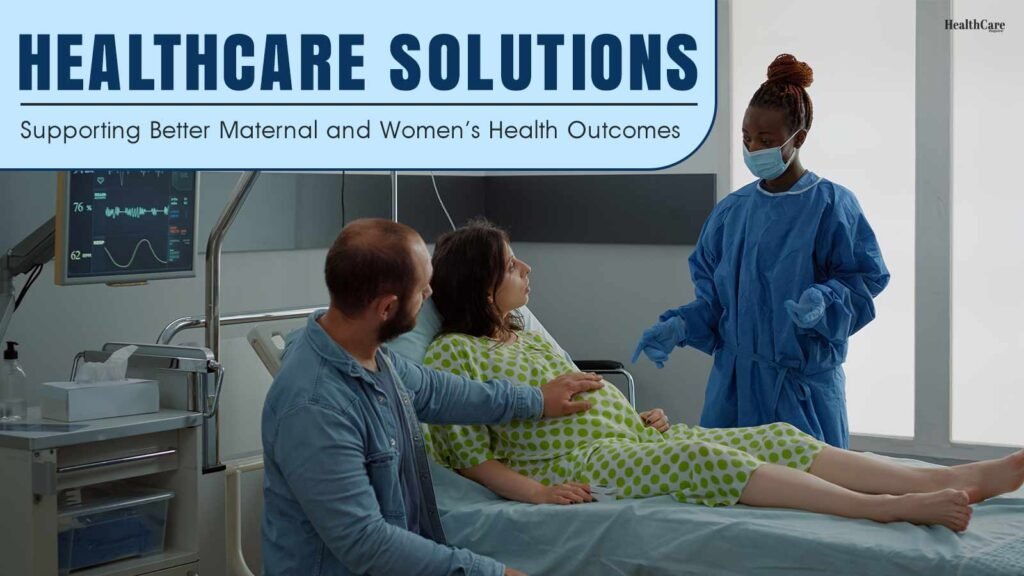
Maternal and women’s health is not limited to pregnancy or a single medical appointment. It covers women’s physical and mental health before, during, and after pregnancy. It also includes reproductive care, childbirth, and recovery.
In the United States, many women still face barriers that can affect their health outcomes. These may include high healthcare costs, limited access to specialists, long travel distances, language barriers, lack of childcare, and difficulty getting appointments at the right time. For pregnant and postpartum patients, delays in care can be especially serious.
The good news is that healthcare systems, community organizations, technology providers, and public-health programs are creating more practical ways to support women. The most effective solutions do not focus only on treatment. They help people receive the right information, care, follow-up, and support before a problem becomes more difficult to manage.
The U.S. Health Resources and Services Administration reports that four out of five pregnancy-related deaths are considered preventable. This shows why early care, clear communication, and coordinated support are so important for improving maternal health outcomes.
Start With Preventive and Primary Care
Better maternal health often begins before pregnancy. Regular preventive care can help women identify health concerns early, manage chronic conditions, and make informed decisions about their future health.
A primary care physician, obstetrician-gynecologist, nurse practitioner, or community health clinic can support women with routine screenings, vaccinations, reproductive health counseling, mental health discussions, and care for conditions such as high blood pressure, diabetes, thyroid disorders, and anemia.
For someone planning a pregnancy, pre-pregnancy care can be useful. A healthcare professional may review current medications, medical history, nutrition, mental health, and any health conditions that need attention before conception. This does not mean every pregnancy can be planned, but accessible care helps women feel more prepared when they need support.
Healthcare organizations can improve outcomes by making preventive appointments easier to book and easier to attend. Evening hours, online scheduling, reminder messages, local clinics, and clear insurance information can reduce practical obstacles that cause patients to delay care.
Make Prenatal Care More Accessible
Prenatal care gives healthcare teams an opportunity to monitor the health of both the pregnant patient and the developing baby. It also creates space for questions that may otherwise go unanswered.
During prenatal visits, clinicians may monitor blood pressure, discuss nutrition, review symptoms, recommend tests, and identify concerns that require closer monitoring. These visits are also an important time to discuss emotional health, substance use, sleep, safety at home, and access to social support.
However, attending regular appointments is not always simple. A person living in a rural area may need to travel several hours to reach maternity care. Someone working hourly shifts may struggle to take time off. Others may not have reliable transportation or childcare for older children.
This is where flexible healthcare delivery can make a meaningful difference. Telehealth can support certain follow-up visits, education sessions, mental health care, and communication with the care team. It cannot replace every in-person examination or emergency service, but it can reduce unnecessary travel and keep patients connected between appointments.
Mobile clinics, community health centers, home-visiting programs, and partnerships with local organizations can also help bring services closer to people who need them.
Support Safer Pregnancy and Birth Care
Hospitals and maternity care teams play a major role in preventing and responding to pregnancy-related complications. Better outcomes depend on strong clinical systems, staff training, clear communication, and respect for the patient’s concerns.
One important solution is the use of standardized safety practices. These are step-by-step approaches that help teams recognize and respond quickly to serious issues such as severe bleeding, dangerously high blood pressure, infection, or blood clots. When hospitals use consistent processes, care teams can act faster during emergencies and reduce confusion in high-pressure situations.
Listening to patients is equally important. A woman may notice that something feels different before a clinical problem becomes obvious. Healthcare professionals should take symptoms seriously, ask follow-up questions, explain next steps, and avoid dismissing concerns.
What happens when a patient does not feel heard? She may delay seeking care in the future, even when symptoms become more serious. Building trust is therefore not simply a communication goal. It is a patient-safety priority.
Healthcare systems can also support better outcomes by offering culturally responsive care. This means recognizing that each patient may have different language needs, health beliefs, family structures, and experiences with the healthcare system. Interpreter services, diverse care teams, and patient education written in plain language can help women understand their options and participate confidently in decisions.
Treat the Postpartum Period as Ongoing Care
The weeks and months after delivery are sometimes treated as an afterthought, but they are a critical part of maternal health. Recovery from childbirth can involve physical healing, feeding concerns, sleep changes, emotional stress, blood pressure issues, and adjustments to caring for a newborn.
The Centers for Disease Control and Prevention notes that serious pregnancy-related problems can occur during pregnancy and up to a year after delivery. Postpartum care should therefore be more than one routine appointment.
A strong postpartum care plan may include:
- A clear follow-up schedule before the patient leaves the hospital
- Blood pressure monitoring when recommended by the care team
- Support for breastfeeding or infant feeding choices
- Screening and support for depression, anxiety, or other mental health concerns
- Guidance on recovery, sleep, contraception, and return to work
- Referrals for specialists, primary care, or community services when needed
Digital tools can also help during this stage. Secure patient portals, virtual check-ins, medication reminders, symptom questionnaires, and remote monitoring programs may help clinicians identify concerns earlier. These tools should support personal care, not replace it. Every patient should know whom to contact if symptoms become worrying.
The CDC encourages pregnant and postpartum women to seek medical care immediately for urgent warning signs, including trouble breathing, chest pain, heavy bleeding, severe headache, vision changes, fever, or thoughts of harming themselves or their baby. Clear education about these warning signs can save lives.
Prioritize Maternal Mental Health
Mental health is an essential part of maternal care. Pregnancy, childbirth, hormonal changes, sleep disruption, financial pressure, relationship changes, and the demands of caring for a newborn can affect emotional well-being.
Some people may feel anxious, persistently sad, overwhelmed, disconnected, or unable to cope. Others may avoid speaking about these feelings because they fear being judged. Healthcare teams can reduce this stigma by discussing mental health as a normal part of prenatal and postpartum care.
Regular screening is helpful, but it must be linked to real support. A screening questionnaire alone is not enough if a patient cannot access counseling, psychiatric care, peer support, or crisis services.
Healthcare providers can strengthen maternal mental health care by:
- Asking about emotional well-being during pregnancy and after birth
- Offering referrals to qualified mental health professionals
- Integrating behavioral health support into obstetric and primary care settings
- Providing teletherapy options where appropriate
- Making crisis resources easy to find
- Including partners and family members in education when the patient wishes
In the United States, the National Maternal Mental Health Hotline offers free and confidential support for pregnant and postpartum individuals.
Improve Care Through Technology, With Human Oversight
Healthcare technology can help women manage appointments, receive education, monitor symptoms, and communicate with clinicians. Remote blood pressure monitoring is one example that may help care teams keep track of patients who need closer follow-up during pregnancy or after delivery.
Patient portals can provide test results, visit summaries, and secure messages. Digital education tools can explain what to expect during pregnancy, how to prepare for birth, and when to seek urgent care. Telehealth can connect patients with specialists who may not be available locally.
Still, technology should be designed carefully. Not every patient has reliable internet access, a smartphone, digital confidence, or privacy at home. Healthcare systems should always offer non-digital options, including phone support, printed resources, and in-person care.
Data privacy also matters. Women should understand what information a health app collects, who can access it, and how it is protected. Trust grows when healthcare organizations are transparent and give patients meaningful choices.
Address the Social Factors That Shape Health
Medical care alone cannot solve every challenge. A woman may receive excellent clinical advice but still struggle to follow it because she lacks transportation, stable housing, nutritious food, paid leave, or support at home.
Healthcare organizations can improve outcomes by screening for social needs and connecting patients with local resources. This may include transportation assistance, food programs, housing support, insurance navigation, domestic violence resources, and home-visiting services.
Community health workers, doulas, nurses, and patient navigators can be especially valuable. They can help women understand care plans, prepare questions for appointments, find local services, and stay connected during important transitions.
This approach is particularly important in communities that have experienced long-standing gaps in access and quality of care. Every woman deserves respectful, timely, and evidence-based healthcare, regardless of where she lives, her income, race, ethnicity, language, disability, or insurance status.
Building a Better Future for Women’s Health
Healthcare solutions that improve maternal and women’s health outcomes are often practical rather than complicated. They include earlier preventive care, accessible prenatal services, safer hospital systems, stronger postpartum follow-up, mental health support, and better coordination between clinicians and community resources.
The goal is not only to respond when something goes wrong. It is to create a healthcare experience where women feel informed, respected, and supported throughout their lives.
Healthcare providers can improve women’s health by listening to their concerns and providing timely care. This can support safer pregnancies, better recovery after childbirth, and healthier families.