Chronic diseases are among the most significant health challenges in the United States. Conditions such as high blood pressure, diabetes, heart disease, chronic obstructive pulmonary disease (COPD), and heart failure often require ongoing care rather than a single treatment or appointment.
For many patients, managing a chronic condition involves taking medication correctly, tracking symptoms, making lifestyle changes, attending follow-up visits, and knowing when to contact a healthcare professional. This can be difficult, especially for older adults, people living in rural areas, patients with limited transportation, and families managing several health concerns at once.
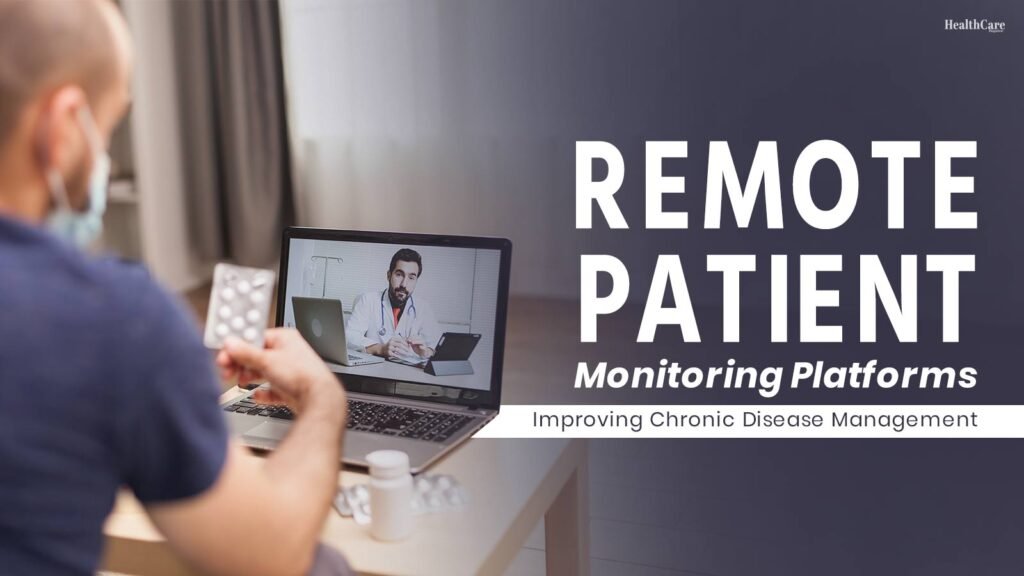
Remote patient monitoring platforms are helping healthcare providers stay connected with patients between in-person visits. These platforms use connected medical devices to collect health information at home and securely share it with a clinical team. Depending on the care plan, a patient may use a blood pressure cuff, glucose monitor, weight scale, pulse oximeter, or another approved device.
Remote monitoring does not replace a doctor, a nurse, an emergency department, or a regular medical visit. It is a tool that can help healthcare teams identify changes earlier, support patients with daily management, and make care more responsive.
When built around clear clinical workflows and patient needs, remote patient monitoring can become a useful part of chronic disease management in the United States.
What Is Remote Patient Monitoring?
Remote patient monitoring, often called RPM, allows patients to collect health data outside a traditional healthcare setting. The information is transmitted through an internet-connected medical device to a healthcare provider or care team.
The Centers for Medicare & Medicaid Services explains that RPM may involve data such as blood pressure, body weight, or glucose levels. The provider reviews the information and uses it to support treatment and condition management.
For example, a patient with hypertension may receive a connected blood pressure monitor. The patient checks their blood pressure at home, and the device sends the results to their healthcare team. If repeated readings are outside the patient’s expected range, a nurse or clinician may contact the patient, review medication use, discuss symptoms, or determine whether further care is needed.
A remote patient monitoring platform usually includes several parts:
- A connected medical device
- A secure method for transmitting health data
- A dashboard for the clinical team
- Alerts or notifications for readings that require attention
- Communication tools for follow-up with the patient
- Documentation that supports the care plan
The device itself is only one part of the service. Education, data review, clinical judgment, and communication are what make remote monitoring meaningful.
Why Chronic Disease Management Needs Ongoing Support
Chronic diseases often change over time. A person may feel well at one appointment but experience new symptoms weeks later. Blood pressure can vary, blood glucose levels may change with food or medication, and fluid retention can become a concern for some patients with heart failure.
Traditional appointments remain essential, but they provide only a limited view of a person’s health. A reading taken during a clinic visit may not reflect what is happening at home every day.
Remote patient monitoring can give care teams more frequent information. This may help them understand trends.
For patients, it can also create a stronger connection to their own health data. Someone who regularly tracks blood pressure may begin to notice how missed medication, stress, sleep, salt intake, or physical activity can affect readings. This awareness can support more informed conversations with a healthcare professional.
However, patients should never adjust medications or make major treatment changes based only on a device reading unless their clinician has given them specific instructions. Monitoring works best when it is connected to a clear care plan.
Supporting Hypertension Management
High blood pressure is a common condition in the United States and is a major risk factor for heart disease and stroke. Because it may not cause noticeable symptoms, many people do not realize their blood pressure is uncontrolled.
Home blood pressure monitoring can give providers useful information about how a patient is doing outside the clinic. A patient may have a higher reading in a medical setting because of stress or anxiety, while another person may show concerning readings at home that are not visible during an occasional office visit.
A remote monitoring platform can organize these readings and help the care team identify patterns. If a patient’s readings remain consistently high, the provider may review medication adherence, lifestyle factors, possible side effects, and the need for a follow-up appointment.
This approach can also make it easier for patients to ask questions. Instead of waiting months for a routine visit, they may have a way to contact the care team when they are unsure about a reading or need help using the device.
The goal is not to create anxiety around every number. It is to help patients and providers recognize meaningful changes and respond appropriately.
Helping Patients Manage Diabetes at Home
Diabetes management often requires regular attention to blood glucose levels, medication, meals, physical activity, and symptoms. For many patients, the condition can feel overwhelming without consistent support.
Remote patient monitoring may be used as part of a diabetes care plan when a clinician determines it is appropriate. Connected glucose devices can share readings with the care team, helping them understand patterns over time.
If blood sugar remains high, the clinician may review the patient’s medication, diet, health conditions, and stress levels. A patient who experiences low readings may need timely guidance about what to do next.
Technology can make information easier to share, but it should not place all responsibility on the patient. Clear education remains important. Patients need to understand how to use the device, what their readings mean, when to contact their provider, and when to seek urgent medical help.
A good remote monitoring program also considers the patient’s daily routine. Complex instructions, difficult devices, or frequent alerts can discourage participation. Simple setup, plain-language education, and accessible support can make the experience more manageable.
Supporting Heart Failure and Respiratory Care
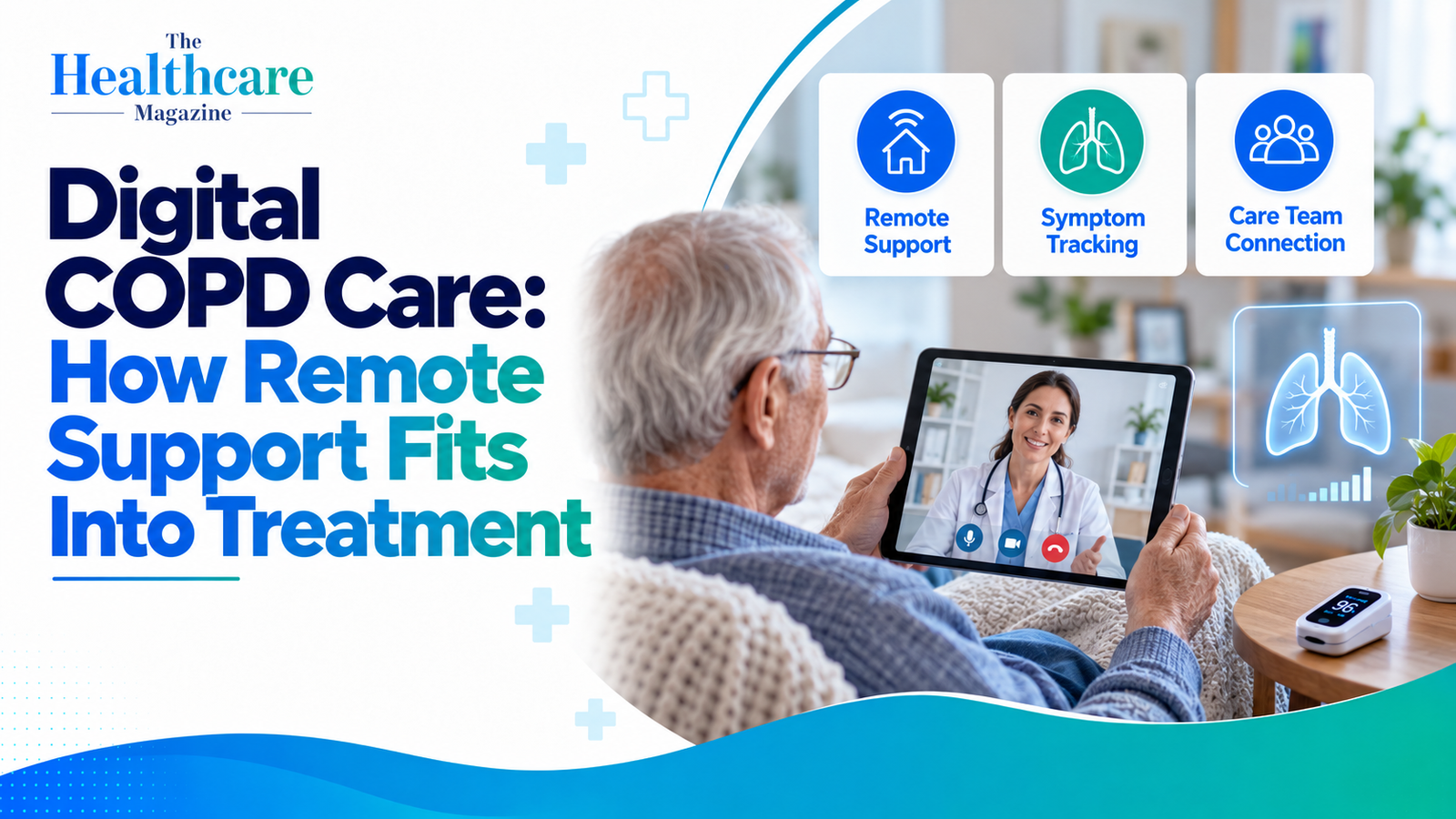
Patients with heart failure or chronic respiratory conditions may need close monitoring because symptoms can change quickly. Weight changes, breathing difficulties, oxygen levels, fatigue, swelling, and medication use may all be relevant to the care plan.
For some patients with heart failure, a connected scale may help the care team monitor weight trends. A sudden change may require follow-up because it can be linked to fluid retention. For patients with respiratory conditions, devices such as pulse oximeters may be used when clinically appropriate.
Remote monitoring does not diagnose a condition by itself. A low oxygen reading, for example, must be interpreted in the context of the patient’s symptoms, medical history, device accuracy, and clinical guidance.
This is why a defined response process is essential. The care team should have a clear process for reviewing health data, responding to alerts, and contacting patients.
Without this structure, an RPM program may collect large amounts of information without improving care.
Improve Access for Patients Who Face Barriers
Remote patient monitoring can be particularly helpful for people who find it difficult to attend frequent appointments. This may include patients in rural communities, individuals with mobility limitations, people without reliable transportation, and those balancing work or caregiving responsibilities.
A patient may still need in-person care, laboratory testing, imaging, or physical examinations. But RPM can reduce the need for some routine trips and provide support between visits.
For example, an older adult may be able to take blood pressure readings at home rather than arranging transportation for every check. A patient living far from a specialist may share health information with the care team while waiting for the next in-person appointment.
Can remote monitoring make healthcare more equitable? It can help, but only if organizations address the digital divide. Some patients do not have stable internet service, smartphones, confidence with technology, or a private place to discuss health concerns.
Healthcare providers should offer device setup assistance, multilingual instructions, telephone support, and alternatives for patients who cannot use a digital platform. A program should not make care easier for some people while leaving others behind.
Create a Clear Clinical Workflow
Remote patient monitoring is most effective when responsibilities are clearly defined. A successful program needs more than devices and dashboards.
Healthcare organizations should decide:
- Which patients are appropriate for RPM
- Which conditions and measurements will be monitored
- How patients will be enrolled and trained
- Who reviews incoming data
- Which readings trigger an alert
- How quickly the care team should respond
- How patients can reach the team with questions
- When an in-person visit or emergency evaluation is needed
A platform may flag readings outside a chosen range, but it cannot replace clinical judgment. Not every alert is urgent, and not every serious concern appears as a device alert. Healthcare professionals must consider the full picture, including symptoms, medication changes, recent illness, and patient history.
Patients should also understand the limits of the service. They need to know that RPM is not an emergency response system. If someone has severe chest pain, trouble breathing, signs of stroke, loss of consciousness, or another emergency symptom, they should call 911 or seek emergency care rather than wait for a platform message.
Protect Privacy and Build Trust
Remote monitoring platforms collect personal health information, so privacy and security must be treated seriously. Patients should know what information is collected, how it is transmitted, who can view it, and how long it is stored.
Healthcare organizations should choose a secure platform that works properly with their electronic health record system. They should also make sure staff members understand how to use the platform responsibly.
Trust is equally important. Patients may stop using a device if they do not understand why it is needed or if they believe no one is reviewing the information. Clear communication can prevent this problem.
A simple explanation can help: “Your care team will review your readings as part of your treatment plan. We will contact you if we need more information or if your provider recommends a change. This service is not for emergencies.”
Patients should also be able to ask questions without feeling embarrassed. Many people need help setting up a device, remembering how to take an accurate reading, or using a mobile app.
Make Technology Support the Human Side of Care
Remote patient monitoring is sometimes described as a technology solution, but its value depends on people. Nurses, physicians, pharmacists, care coordinators, medical assistants, and technical support teams all play a role in making the program useful.
A thoughtful RPM program can reduce uncertainty for patients. Instead of wondering whether a concerning trend will be noticed, they know that a care team is reviewing information and can guide them when needed.
It can also support more focused appointments. When clinicians can see a patient’s recent data, they may spend less time trying to remember what happened between visits and more time discussing next steps.
Still, healthcare organizations should avoid using remote monitoring simply to collect more data. Data should lead to appropriate care, communication, or clinical decisions. The program may need changes if staff receive too many alerts or patients feel worried while using it.
Building a Stronger Model for Chronic Care
Remote patient monitoring platforms can support chronic disease management by helping providers stay connected with patients between appointments. They can improve access to health information, support earlier follow-up, and encourage patients to take an active role in managing their conditions.
For patients with hypertension, diabetes, heart failure, respiratory conditions, and other long-term health needs, this additional connection can be valuable when it is part of a personalized plan.
The strongest programs combine reliable devices, secure technology, patient education, clinical oversight, and simple communication. They recognize that every patient has different needs, abilities, and access to technology.
Remote monitoring is not a replacement for in-person care. It is a practical extension of care that can help healthcare teams deliver more timely, connected, and patient-centered support across the United States.