
Hospitals across the United States are shifting how they care for patients. For decades, the goal was simple: get sick patients into a hospital bed, treat them, and discharge them. Today, that model is changing.
More hospitals are forming close partnerships with home health care agencies. This shift is not just a passing trend. It is a major transformation driven by government rules, rising costs, an aging population, and patient preferences.
By delivering care directly to patients at home, hospitals can support faster recovery and reduce overall healthcare costs. Here is a clear look at why these powerful medical partnerships are growing so rapidly across the country.
1. Lowering Hospital Readmission Penalties
Hospitals face heavy financial penalties if patients return too quickly. Under the federal Hospital Readmission Reduction Program (HRRP), the government cuts Medicare payments to hospitals with high rates of return within 30 days of discharge.
Hospital Discharge ──> 30-Day Critical Window ──> If Readmitted: Financial Penalty
└──> With Home Care: Safe Recovery
When a patient goes home alone, they often misunderstand their discharge papers. They might skip their new medications, miss follow-up appointments, or ignore warning signs of infection.
Home health care agencies solve this problem. They send nurses and therapists into the home immediately after discharge. These professionals look for red flags, manage medications, and coordinate with the hospital staff. This continuous eyes-on care keeps patients safe at home and protects hospitals from costly penalties.
2. Participating in Value-Based Care Models
The American healthcare financial model is moving away from “fee-for-service” to “value-based care.”
- Fee-for-Service: Hospitals are often paid based on the number of services they provide, such as tests, scans, and surgeries.
- Value-Based Care: Hospitals get paid based on the quality of care and the patient’s actual recovery outcome.
In value-based models, Accountable Care Organizations (ACOs), hospitals take financial responsibility for the total cost of a patient’s care over a specific period. If a hospital can keep a patient healthy and out of emergency rooms, the hospital saves money and shares in the financial rewards.
Partnering with home health agencies is the easiest way for hospitals to extend their reach beyond the hospital walls. It ensures that the high-quality care started in the surgery room continues at the patient’s bedside at home.
3. Creating Open Beds for Critical Patients
Hospital beds are a limited, expensive resource. When a hospital is full, the emergency room backs up, surgeries get delayed, and the staff faces extreme burnout.
[ Full Hospital Beds ] ──> Delayed Surgeries & ER Backups
│
(Home Health Partnership)
│
[ Safe Early Discharge ] ──> Open Beds for Critical Emergencies
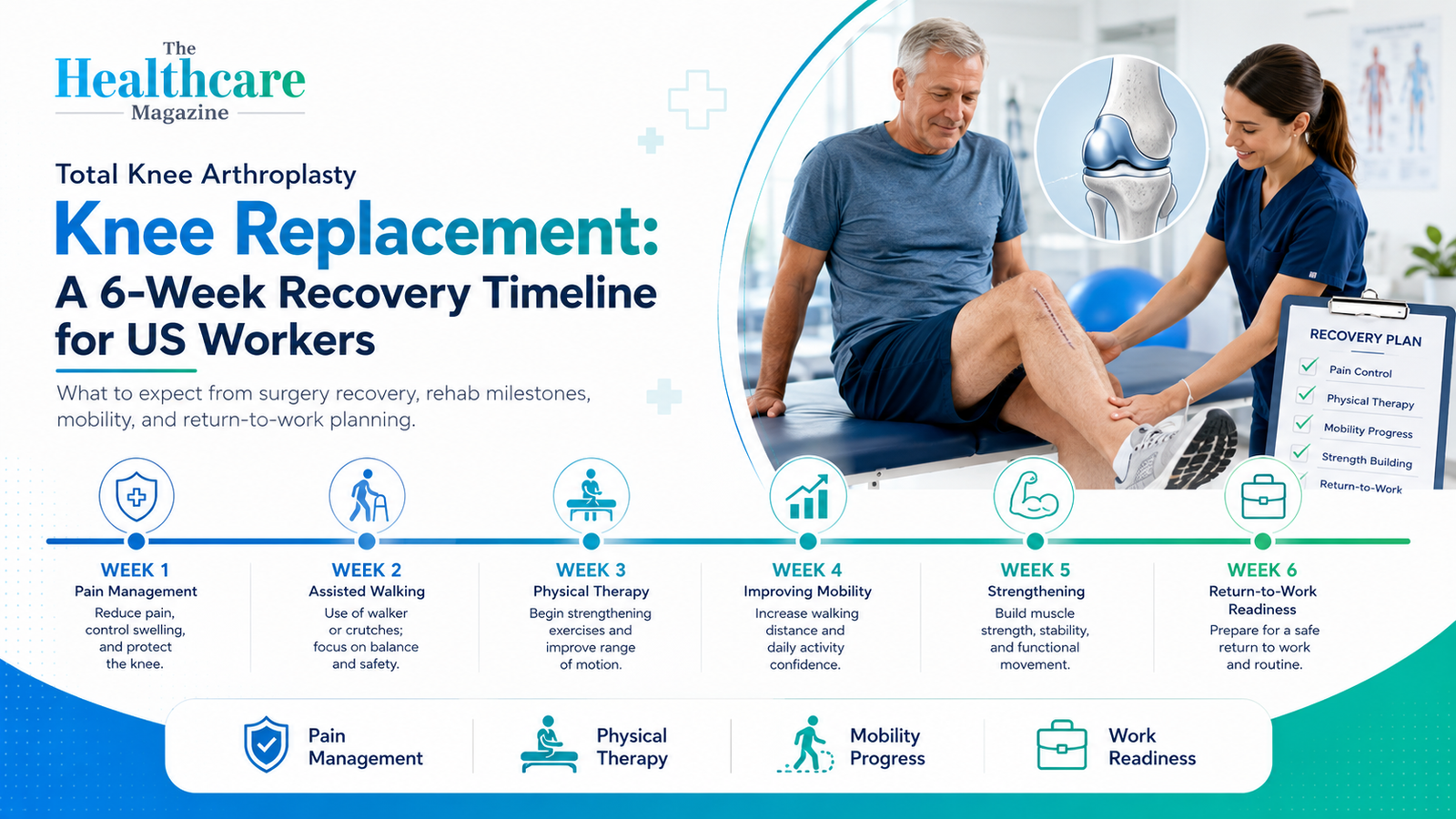
Hospitals partner with home care agencies to safely discharge patients earlier than before. A patient recovering from a knee replacement or managing a flare-up of congestive heart failure does not always need a million-dollar hospital room. They just need professional monitoring.
By transitioning these patients to home health care, hospitals free up physical beds for more critical, higher-revenue cases like trauma victims or acute surgeries.
4. Adapting to the “Hospital-at-Home” Trend
Technology has advanced to the point where complex medical care can happen anywhere. Portable oxygen machines, wearable heart monitors, and video-call systems allow doctors to track patients from miles away.
This led to the growth of the Hospital-at-Home model, which became more popular during the COVID-19 pandemic and continues to expand through federal waiver programs.
Under this model, patients who would normally stay in a hospital ward are treated entirely in homes. Hospitals provide the advanced tracking technology and physician oversight, while home health agencies provide the hands-on nurses, physical therapists, and aides who visit daily. It is a seamless combination of hospital technology and home comfort.
5. Meeting the Needs of an Aging Population
The United States is experiencing an unprecedented demographic shift. Every day, thousands of Baby Boomers turn 65. This aging population lives with higher rates of chronic conditions like diabetes, heart disease, and dementia.
Older adults utilize the medical system more than any other group. However, long hospital stays can actually cause older adults to lose mobility, experience confusion, or catch hospital-acquired infections.
Home health agencies specialize in helping seniors manage chronic conditions in a familiar environment. They assist with daily activities, set up fall-prevention measures in the house, and teach seniors how to manage their health. Hospitals partner with these agencies because they recognize that the home is often the safest environment for an elderly patient to heal.
6. Boosting Patient Satisfaction Scores
Patient happiness matters deeply to a hospital’s bottom line. The government measures patient satisfaction through standardized surveys called HCAHPS. Higher survey scores lead to better government reimbursement bonuses.
The reality is that patients simply prefer being at home. They sleep better in their own beds, eat their own food, and enjoy the company of family and pets.
When a hospital provides a smooth transition to home health care, patients feel supported, less anxious, and more respected. This positive experience directly translates to higher satisfaction scores, boosting the hospital’s reputation and local ranking.
Summary of Key Benefits
| For the Hospital | For the Home Health Agency | For the Patient |
| Lowers federal readmission penalties | Receives a steady stream of patient referrals | Heals in a comfortable, familiar environment |
| Frees up physical beds for critical surgeries | Gains access to hospital patient data systems | Avoids exposure to dangerous hospital infections |
| Succeeds in modern value-based payment plans | Collaborates directly with top physicians | Receives highly personalized, one-on-one care |
Conclusion: A Collaborative Future:
The line separating the inside of a hospital from the outside world is fading. Hospitals can no longer afford to operate as isolated islands that only care for people when they are in crisis.
By building strong, reliable partnerships with home health care agencies, hospitals ensure a continuous safety net for patients. This collaboration reduces costs for the medical system, keeps emergency rooms clear, and most importantly, helps Americans recover safely where they want to be most: at home.