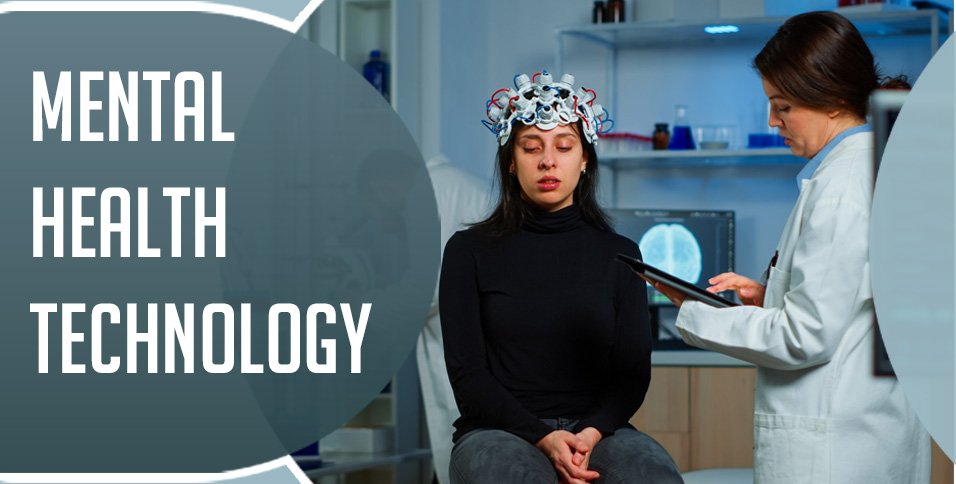
The development of health technologies has changed the entire landscape of mental health. With the use of various gadgets, such as wearable devices and smartphones, new opportunities for monitoring behaviour have emerged. With the use of these devices, there have been speech tone issues and social interaction behaviour which are linked to the mental well being of the person.
Certain digital tools, ranging from mobile health apps to different artificial intelligence systems, are used to monitor the behavioural mental health. The tools state regarding the improvement of the diagnosis accuracy and early warning signs.
Different types of tools used in behavioural monitoring:
Some of the different kinds of tools used in the behavioural monitoring are as follows:
- Social Media and Web Behavior Monitoring: Different kind of tools analyse the online activity and engagement on different platforms such as Reddit, Facebook and Twitter to monitor and identify the mental red flags.
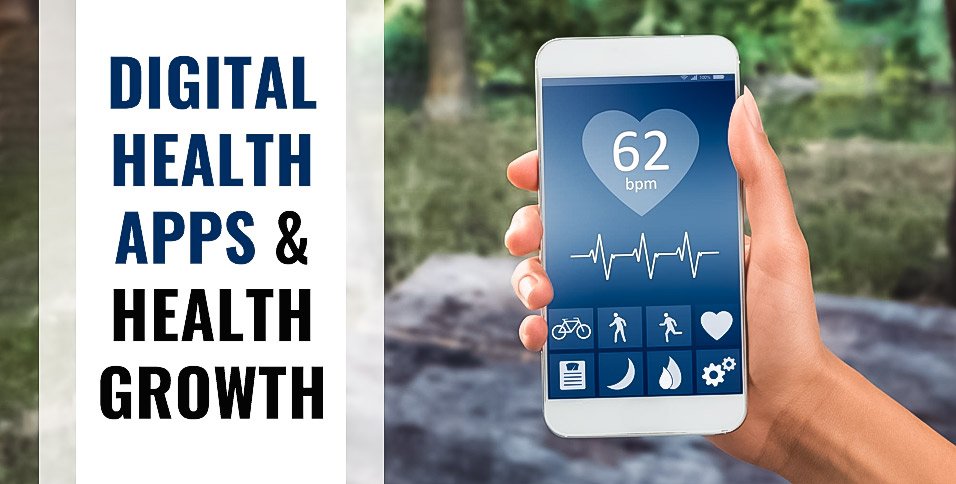
- Mobile Health Applications: Some of the mobile apps, such as Headspace, Calm, Youper and Moodpath allows to monitor their thoughts and behaviour in real time. These apps include mindful practices, self-assessment quizzes, guided cognitive behavioural therapy to check the behaviour of an individual over the time.
- Wearable Devices: Wearable devices such as Apple Watch, Fitbit, Oura ring help to check physical activity, Hear and Pulse rate, Sleep Patterns and stress indicators, which are directly related to mood disorders. For example, disrupted sleep and decreased physical activity often relate to stress, depression and anxiety.
- Digital Phenotyping tools: Digital phenotyping tools are those tools which are used to collect data from smartphones and then analyse the behaviour of a particular person. Different platforms like Behavioral Signal Technologies and Mindstrong Health help to monitor different kinds of metrics such as call frequency, typing speed and mobility. For instance, a core symptom of depression is a sharp decline in outgoing communication and withdrawing socially.
- Virtual Therapists and AI-Powered Chatbots: Different platforms such as Tess, Wysa, Woebot and AI-driven platforms helps in stimulating therapeutic conversations using sentiment analysis and natural language processing which helps to diagnose the emotional patterns in the user text or speech or language complexity.
Benefits of Digital Tools in Health Monitoring:
The tools in health monitoring helps in early detection of mental health issues and making mental health care more accessible, efficient and personalized. Major benefits of digital tools in health monitoring are as follows:
- Proactive Interventions and Continuous Monitoring: With the help of digital tools, mental health monitoring has become easy. Smartwatches can help to monitor the physical activity, heart rate and sleep cycles which can track the mood patters. With continuous data stream, healthcare providers can identify the potential concerns. Monitoring allows more personalized care which can help in tailoring the interventions according to the individual specific needs and can lead to more effective and individualized treatment plans.
- Early Detection and reduced severity: One of the most common benefit of digital tools is they help in detection of mental health issues at early stage. Digital tools like different apps helps in monitoring behavioural patterns such as physical activity, sleep quality and social interactions. Certain decline in physical activity, irregular sleep patterns and changes in communication may related to the early warning signs of anxiety and depression. Early intervention can help in providing timely support and reducing severe cases of mental health disorders.
- Cost Effective Mental Health Support: Traditional therapies and counselling were quite expensive, whereas digital tools provide cost effective mental support without the need for expensive in-person visits. For example, mental health apps provide self-help modules and Cognitive Behavioral Therapy which have low subscription fees. Most of virtual therapy platforms or AI-driven chatbots helps in reducing costs by providing on-demand support.
Conclusion
Digital Health technologies are bringing a greater change. A wide range of wearable devices and mobile apps and their ability to track and manage mental health, has brought a significant paradigm shift in mental health treatment.
Looking ahead, the future of mental health care can be more personalised. The future vision includes seamless integration of technology, allowing the hybrid model which includes both traditional and modern concept. The successful integration will be entirely dependent upon the collaborative approach so that digital tools can help in transforming the mental health care into a more proactive and accessible system which fulfil the needs of individuals globally.
With responsible implementation, the tools play a crucial role in improving the lives of millions, making mental health support accessible to all.