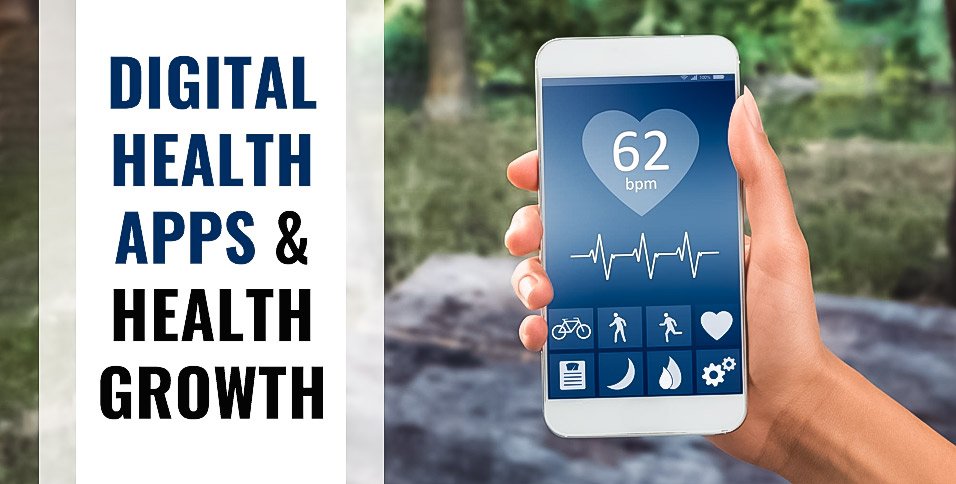
Mobile apps for healthcare has changed the entire healthcare market in recent years increasing accessibility, personalization and efficiency. With the ability to track fitness goals, access telemedicine and to monitor heath, these digital health apps have become indispensable in modern medicine.
Digital health and patient engagement are interlinked with each other, with patient engagement technology enabling patients to take more proactive role in managing their health. Whether it’s remote consultations, personalized health tracking apps or instant access to medical records, digital tools help patients to stay more informed and involved in the healthcare.
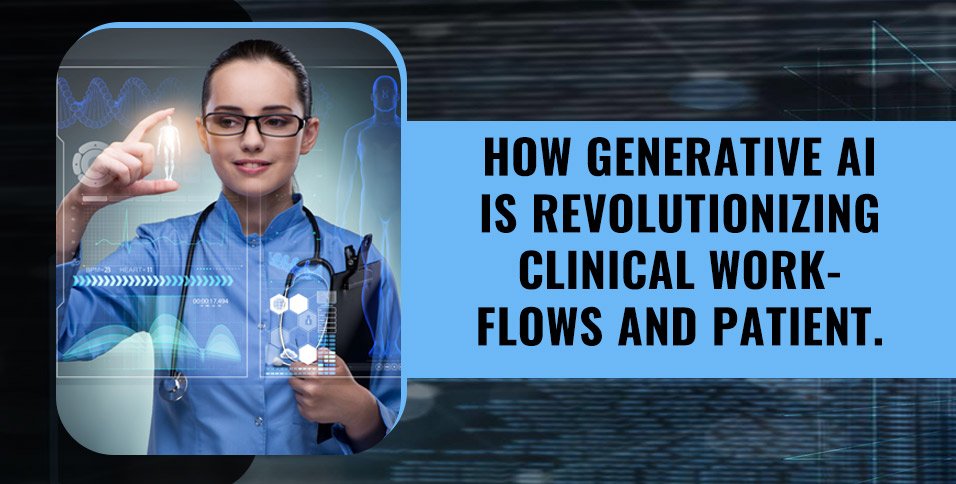
It is anticipated that the use of mobile apps for healthcare will continue to grow as sector is transformed by different wearable technology integration, real-time health monitoring and AI-driven diagnostics. Let us understand more about it.
What are mHealth Apps?
MHealth apps basically stands for mobile health that consumers can obtain via mobile devices such as wearable devices, PDAs and smartphones. Mobile gadgets are used to collect health related data and transmit it to the professionals. The main benefits of mHealth include increased convenience and quick serice delivery.
Benefits of Healthcare Apps for Patients and Doctors:
Patients and healthcare practitioners can benefit from different custom AI mHealth app development which helps in the healthcare sector. Let us see major benefits for both patients and doctors:
- E-health solution helps patients to take active role in treatment by giving them control over it.
- With all the technology available to clinicians, patients can customize health programs according to the situation.
- With faster decision making doctors can serve more patients and spend more time with them.
- With certain healthcare apps, platforms for telemedicine applications can enable physicians to consult with one another any location.
Top MHealth App Development Trends that will dominate in 2026:
- Big Data analytics for Personalized Insights: Big data analytics can be important part in mHealth apps to manage all data related procedures. For example, by maintaining a record of hospitals employees and physicians, big data can assist in management of hospital resources. With use of big data, mobile health apps can save and analyse all relevant data such as patient height, weight and medical history thereby providing more individualized insights.
- Augmented Reality/ Virtual Reality: The modern world of healthcare consists of both AR and VR. AR helps in enabling healthcare professional to visualize complex medical data in real time, thereby assisting in diagnostics, surgery planning and treatment procedures. VR on other hand, will revolutionize telemedicine by offering virtual consultations in fully immersive environments. VR can also help in pain management and mental health treatments by creating controlled environments that gives relief with stress and anxiety.
- Wearable App Integration: Wearable technology has gained popularity in fashion sector. With features like monitoring heart rates and pulse rates, these devices have opened new possibilities for fitness and medical industries. Some key advancements in the wearable industry include keeping eye on contactless ePayments, glucose trackers and Integration IoT.
- Healthcare Chatbots: Companies are using AI drive chatbots which are helping in quick responses and 24/7 availability. Healthcare chatbot apps are used to answer consumer questions to assist with mental health therapy. Some of the latest developments include smarter bots, data analysis, hyper personalized responses and voice recognition chatbot technology.
- AI for diagnostics: The healthcare sector is emerging due to artificial intelligence. With certain technologies such as NLP in healthcare, robotic process automation and clinical trial participant indentifiers, artificial intelligence is expected to rise by 2030. AI driven chatbots could help in collecting preliminary health related information and provide accurate patient examinations.
- Telemedicine Services: Telemedicine app development basically offers ability to consult doctors, physicians, psychologists and schedule online consultations which can be helpful to patients.
- Mental Health Apps and Women Wellness Apps: According to one of the WHO reports, one out of every eight person suffers from mental disorders such as stress, depression, anxiety. Certain mental health apps provide mindfulness exercises or attending therapy sessions to relief customers. There are certain women wellness apps which provide great features like customized food plan, meditation, tracking cycle and ovulation period and many others.
- Healthcare Data Intelligence: Different mobile interfaces allow researchers to examine trends in their fields, keep an eye on hospital performance and doctors to study patient analytics. It is important that big data analytics make sense in modern world, therefore it is important to use different technologies such as Iot, AI, AR and VR which can be helpful in observing RPM approach, telemedicine, wearable adoption and healthcare consumerization.
Major challenges in mHealth App Development:
Some of the major challenges are as follows:
- Security Issues: All healthcare mobile apps handle sensitive data which hackers find appealing. The tools and measures are used to ensure data protection in early stage of development by the team. Data encryption techniques and two factor authentication are most effective way to restrict access to the app and safeguard critical data.
- Compliance Issues: There are strict regulations governing area of software solutions. PHI and HIPAA are regulations. When you want to create an app for a worldwide user app, one of major obstacle is to make sure the solution complies with all national laws.
- User Engagement: Encouraging consistent app usage and behaviour change remains a significant challenge. Developers must create user-friendly interfaces which helps users to incorporate the apps into their daily routines. App optimization is one of that process that requires continuous attention.
Conclusion
Digital health has transformed the way about how patient interact with the healthcare providers, making care more accessible, personalized and engaging. From telehealth services and mobile health apps to AI powered tools and wearable devices, the technologies are transforming healthcare industry.
A balanced diet and regular exercise is important to improve health and prevent chronic diseases. Programs that use mobile health apps to enhance nutrition and activity levels may lengthen life and improve quality of life, even through socioeconomic determinants of health play a significant role. Different innovative approaches and broadly accessible technologies are required for health promotion and education programs.
The future of healthcare lies in integrating digital health and patient engagement tools. By embracing these innovations, healthcare providers can offer more patient centred experiences which leads to long term success in patient health and satisfaction.