In the United States, routine screening for the Human Immunodeficiency Virus (HIV) is a cornerstone of modern preventive medicine. Thanks to massive advancements in diagnostic accuracy, therapeutic interventions, and public health initiatives, getting tested for HIV is faster, more private, and more accessible than ever before.
For healthcare executives, clinicians, practice administrators, and public health advocates, encouraging routine screening is critical. Despite medical progress, approximately 13% of people with HIV in the U.S. are unaware of their status, and a significant portion of new infections originate from undiagnosed individuals.
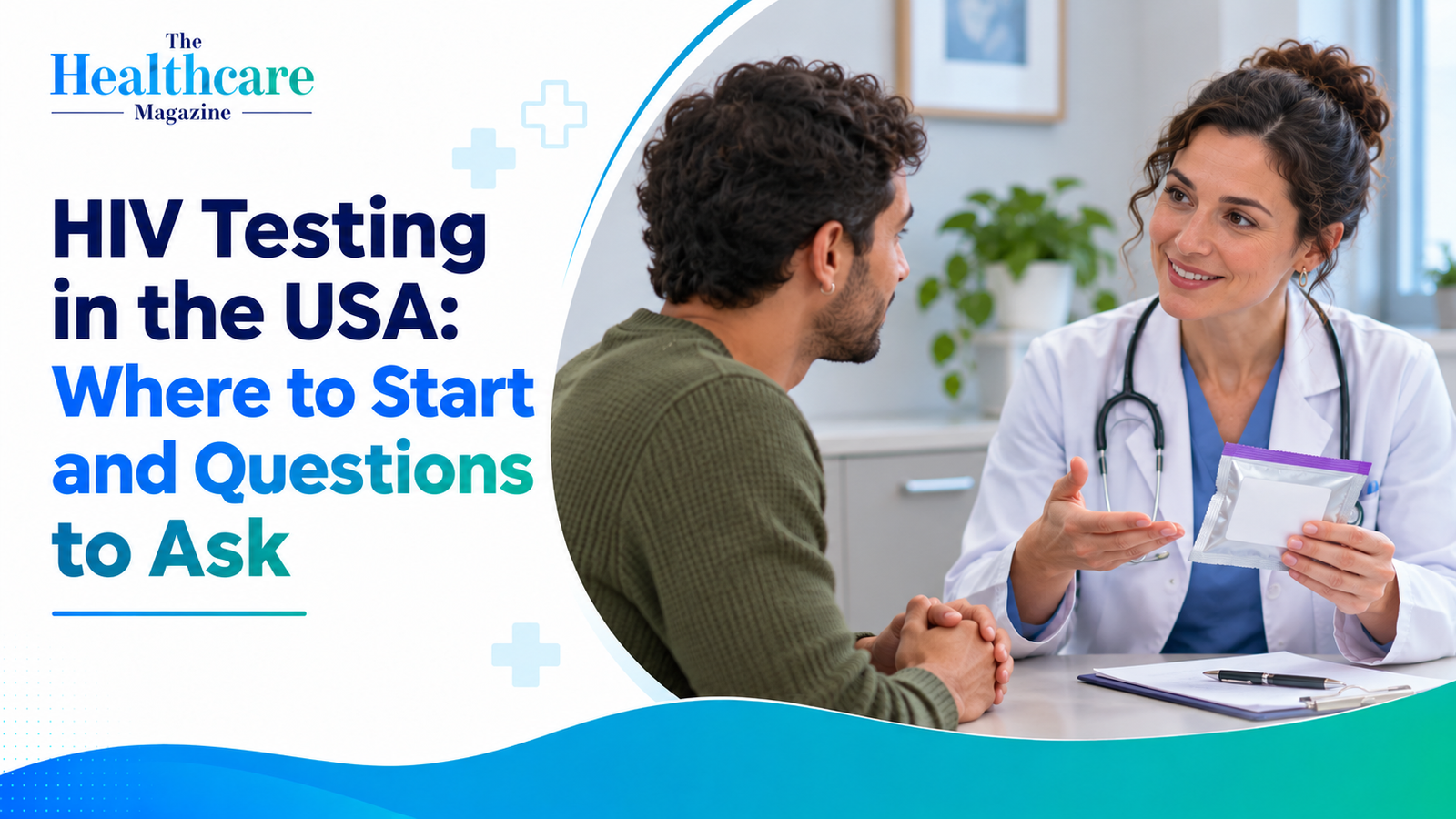
Knowing where to get tested, what tests are available, and what to ask a healthcare professional can help patients get a diagnosis sooner and connect with the care they need.
Where to Get Tested in the United States
Across the U.S., patients can choose a confidential testing site that fits their schedule and insurance coverage. Some locations also offer anonymous testing.
A. Primary Care Providers and Community Health Centers
Routine annual physicals or primary care visits are the ideal setting for preventive screenings. Under the U.S. Preventive Services Task Force (USPSTF) guidelines and the Affordable Care Act (ACA), HIV screening is designated as a Grade A preventive service. For most insured individuals, this means zero out-of-pocket costs (no copay or coinsurance) when ordered by an in-network provider.
B. Local Health Departments and Public Clinics
County and municipal health departments across all 50 states offer low-cost or free HIV testing. Many of these clinics operate on a walk-in basis, ensuring rapid access without the administrative friction of scheduling appointments or navigating complex insurance pre-authorizations.
C. Community-Based Organizations (CBOs) and AIDS Service Organizations (ASOs)
Specialized community centers often provide culturally competent, barrier-free testing environments. These organizations utilize rapid point-of-care tests and are staffed by specialized counselors who can discuss risk reduction, PrEP (Pre-Exposure Prophylaxis), and PEP (Post-Exposure Prophylaxis).
D. At-Home HIV Self-Testing
If you prefer to test at home, you can buy an FDA-approved rapid self-test without a prescription at a pharmacy or online. Additionally, public health initiatives (such as the CDC-supported Together TakeMeHome program) allow eligible individuals in the U.S. to order free self-test kits delivered discreetly to their homes.
Understanding the Types of HIV Tests and the “Window Period”
Not all HIV tests work the same way. Explaining test types and timelines to patients helps reduce anxiety and prevents false-negative results due to premature testing.
- Antigen/Antibody Laboratory Tests (Blood Draw): These tests use a blood sample drawn from a vein to look for HIV antibodies and the p24 antigen. P24 is an HIV protein that can be detected before antibodies develop. They can generally detect infection 18 to 45 days after exposure.
- Rapid Antigen/Antibody Tests (Finger-Prick): You’ll get your results 20 to 30 minutes after a finger prick. They detect infection 18 to 90 days after exposure.
- Rapid Antibody Tests (Oral Fluid): These tests check for HIV antibodies in fluid collected with a gum swab. They have a longer window period, detecting infections 18 to 90 days post-exposure.
- Nucleic Acid Tests (NAT): Nucleic acid tests (NATs) look for HIV directly in the blood. They have the shortest window period and can usually detect HIV 10 to 33 days after exposure. However, they are more expensive and are typically reserved for individuals with recent high-risk exposures or early acute symptoms.
The Importance of the Window Period
The window period is the time between potential exposure to HIV and when a test can accurately detect it. Emphasizing this timeframe is essential: a negative test taken during the window period does not completely rule out infection, and repeat testing may be required.
Essential Questions to Ask Your Healthcare Provider
When discussing sexual health, preventative care, or specific exposure risks with a clinician, patients should feel empowered to ask direct, targeted questions. Here are the most important inquiries to guide the conversation:
1. “Which type of HIV test are we running today, and what is its window period?”
- Why it matters: The time since a possible HIV exposure helps determine which test to use and whether you’ll need to test again.
2. “Given my health history and lifestyle, how often should I be tested?”
- Why it matters: While the CDC recommends that every American aged 13 to 64 be tested at least once as part of routine healthcare, individuals with ongoing risk factors (such as multiple sexual partners, sharing injection equipment, or having an STI) should be screened annually or even every 3 to 6 months.
3. “If my result is negative, what prevention options—like PrEP or PEP—are right for me?”
- Why it matters: A negative test is an optimal launching point for proactive prevention. Daily oral or injectable PrEP (Pre-Exposure Prophylaxis) reduces the risk of acquiring HIV from sex by about 99%, while PEP serves as an emergency intervention after potential exposure.
4. “If my result is positive, what immediate steps and support systems are available?”
- Why it matters: Knowing the care pathway in advance reassures patients. Modern Antiretroviral Therapy (ART) allows people with HIV to achieve an undetectable = untransmittable (U=U) status, meaning they live long, healthy lives and cannot sexually transmit the virus to others.
Strategic Imperatives for the U.S. Healthcare Industry
For health systems, clinics, and digital health innovators, streamlining HIV testing is both a clinical obligation and an operational opportunity.
- Embedding Opt-Out Screening: Emergency departments and outpatient clinics can offer HIV testing as part of routine care and give patients the choice to decline. This approach can reduce stigma and help detect HIV earlier in people who might otherwise go untested.
- Leveraging Digital Health: Integrating telehealth counseling, digital appointment scheduling, and automated reminders for repeat screenings helps maintain patient engagement across the care continuum.
- Overcoming Payer Barriers: Training staff on the Affordable Care Act’s preventive care rules can help them answer patients’ questions about screening coverage and reduce billing surprises.
Conclusion:
HIV testing is an essential pillar of preventive health in the United States. By demystifying testing locations, clarifying window periods, and empowering patients with the right questions, healthcare providers can foster open, destigmatized dialogues.
Industry leaders and clinical teams can help protect public health and support national efforts to end the HIV epidemic by making routine HIV screening easier to access.