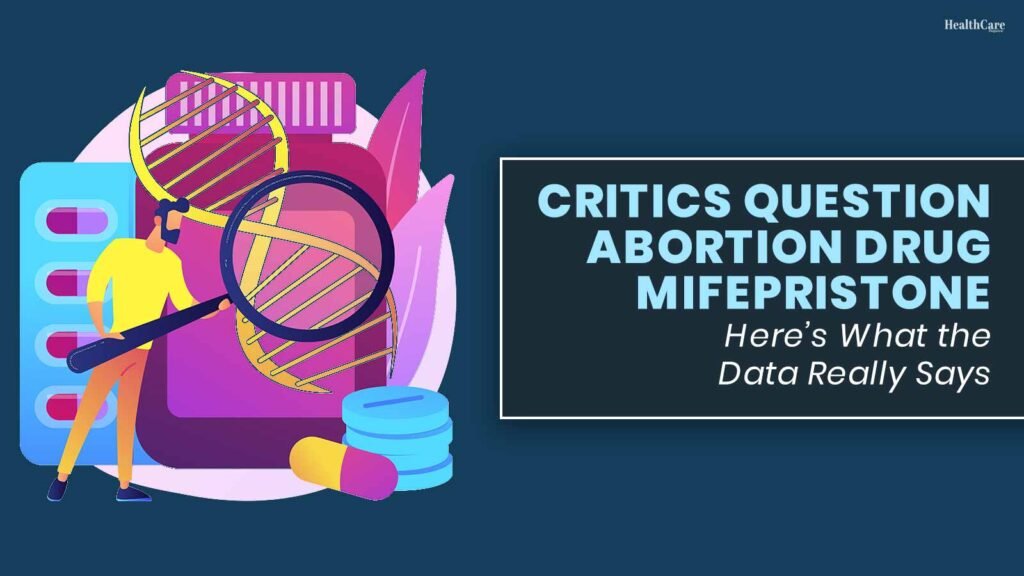
In the midst of heated debates over reproductive health, the abortion drug Mifepristone has become the centre of attention once again. Recently, a controversial report questioning the safety of the drug has sparked political, legal, and medical discussions. Critics claim that Mifepristone carries significant health risks and should face stricter regulations. However, decades of research tell a very different story.
This article examines the claims made by critics, the evidence available, and what this means for millions of people who rely on the abortion drug Mifepristone every year.
Mifepristone and Its Significance
The abortion drug Mifepristone is the first drug used in a two-step medication abortion process. It works by blocking the hormone progesterone, which is necessary for pregnancy to continue.
Approved by the U.S. Food and Drug Administration (FDA) in 2000, Mifepristone has been used by over five million women in the United States alone. According to the Guttmacher Institute, more than 60% of abortions in the U.S. now involve medication, making it a crucial option for reproductive health.
The Critics’ Main Claims
Those who oppose the abortion drug have raised three main arguments:
1. Safety Concerns and Health Risks
Critics argue that the abortion drug Mifepristone can lead to severe complications such as heavy bleeding, infection, or incomplete abortion. They claim that health agencies and doctors downplay these risks.
A recent report suggested that the FDA’s monitoring of side effects is inadequate, and more women are harmed by the drug than official numbers reflect.
2. Telehealth and Mail Delivery Risks
Another concern raised is the growing trend of prescribing Mifepristone through telehealth services and delivering it by mail. Opponents claim that without in-person supervision, women may take the drug incorrectly or delay seeking care if complications arise.
3. Political and Moral Arguments
Beyond medical claims, some critics frame their opposition around moral grounds, stating that making the abortion drug Mifepristone widely available undermines the value of life. These arguments often influence political actions, such as state bans or attempts to overturn federal approvals.
Science Claim It’s Safe
While the critics’ claims generate headlines, decades of peer-reviewed research consistently show that the abortion drug Mifepristone is extremely safe.
- A 2023 study published in The New England Journal of Medicine found that serious complications occur in less than 0.4% of cases, making it safer than common medications like penicillin or Viagra.
- The World Health Organisation (WHO) includes Mifepristone on its list of essential medicines, citing its proven safety and effectiveness.
- According to the FDA, only 28 deaths have been reported since its approval in 2000. It had a rate of less than 0.001%, and most were unrelated to the drug itself.
Dr Daniel Grossman, an OB-GYN and reproductive health researcher at the University of California, explains, “The risk of complications from Mifepristone is lower than that of wisdom tooth removal or childbirth. The data are clear, this is a very safe medication.”