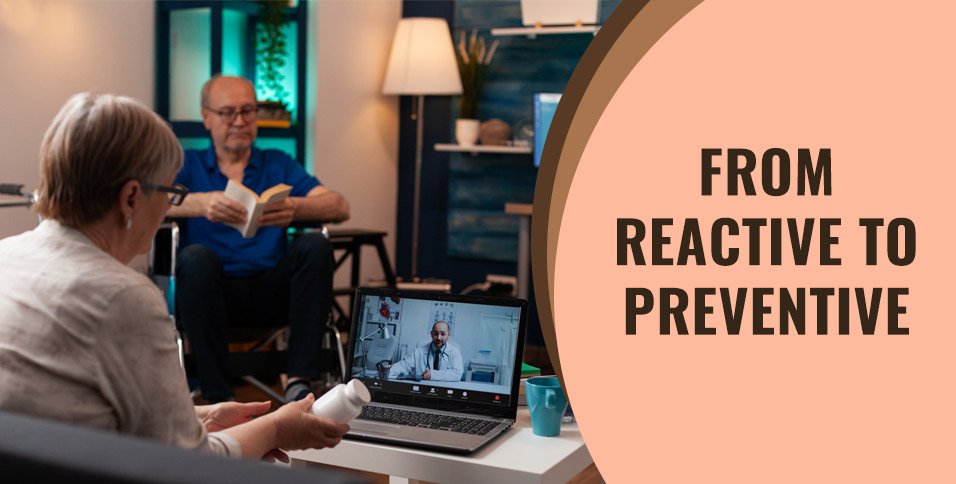
The world of healthcare is changing and remote patient monitoring is strengthening CCM by offering real time health data, early interventions and continuous patient engagement. Chronic Care Management provide coordinated support for patients with multiple long-term conditions.
Chronic illness has long-term impact on society which puts heavy burden on healthcare system due to medical expenses and less productivity. According to the centers for disease control and prevention, individuals suffering from chronic diseases as well as mental health issues are responsible for 90% of country’s healthcare expenses.
Monitoring remote patients helps to evaluated the condition of patient enhancing chronic illness treatment. Integration remote patient monitoring solution benefit patients and also support care providers in terms of efficiency and cost-effectiveness. Let us understand more about remote monitoring.
Integrated Remote Patient Monitoring system:
Remote patient monitoring system devices help in monitoring blood pressure, heart rate, blood glucose levels and oxygen saturation level. The data collected is transmitted wirelessly either via Bluetooth or laptop which play important role in reducing the manual labor of the care providers. The gathered data is transmitted to medical assistants which helps in boosting healthcare.
The final component consists of the collected data linked with patient’s Electronic Health Record which is used to do long term analysis of patient history. This integration with the modern technology helps to make important decisions at right time and also offer historical context to the care provider.
Role of chronic disease management:
Different persons are having chronic diseases such as mental health issues, diabetes and heart problems. Any disease or illness that persists six months or more are known to be chronic diseases. RPM basically serves as a bridge between patients suffering from chronic diseases and healthcare providers making sure the best possible treatment and care. It also helps in assisting care providers by monitoring high-risk patients, supporting care transitions and enhancing at home care compliance.
Advantages of Remote Patient Monitoring in Chronic Disease Management:
RPM Complements chronic disease management by enabling healthcare providers to gather patient’s data and instantly monitor them. Let us explore benefits of it:
- Increased profit margins: By decreasing operational costs, RPM enhances profit margins for healthcare organizations. RPM decreases the physical resources thereby boosting cost effectiveness for healthcare clinics and this approach helps in enhancing the profit to loss ratio by increasing appointment numbers and decreasing resource consumption.
- Cost Effectiveness: By implementing remote patient monitoring with chronic care management, healthcare management can cut down on costs which help in creating additional revenue stream for care providers as it reduces hospital admissions and ER visits.
- More patient engagement: Remote patient monitoring supports chronic care management by providing healthcare professionals with comprehensive patient data helping in the personalized treatment and care of individuals. This approach helps in boosting patient engagement by allowing them to participate in their healthcare journey.
- Intervention at right time: It is important to detect the smallest change in the patient’s health to avoid any complications. For example, when it comes to monitoring blood sugar levels, remote patient monitoring has a high sensitivity and these features allow medical professional to adjust medication of the patients.
- Chronic Monitoring: Chronic care management involves follow ups on a monthly basis with the patient’s treatment plan. As a result, patients do not need to remember their previous month’s symptoms. Remote patient monitoring helps healthcare professionals to monitor and alter the treatment plan if required.
Chronic care uses of RPM:
To improve patient outcomes and address chronic illness, it is important remote patient monitoring methods should be used. RPM treatments could be used for patients suffering from respiratory illness, hypertension and diabetes.
- Respiratory Conditions: Different diseases such as obstructive pulmonary disease or asthma can be cured with the help of remote patient monitoring solutions. The devices help in detecting breathing patterns thereby assisting in optimizing medical treatment. One of research proved that RPM solutions were capable of enhancing the accuracy of COPD diagnosis and treatment. 98% of the patients found RPM solutions convenient and expressed their willingness to utilize them during pulmonary rehab program.
- Hypertension: Different studies state that remote patient monitoring could be helpful in managing high blood pressure benefiting individuals suffering from hypertension. The proactive approach is beneficial for healthcare providers as they could suggest lifestyle changes to the patients to maintain healthy blood pressure levels. One of study stated that 81% of the patients suffering from hypertension utilize home based blood pressure monitoring systems and were stabilized within seven weeks.
- Diabetes: Healthcare professionals should indulge in remote patient monitoring to improve treatment plans for those suffering from diabetes. Glucose plays an important role to monitor blood glucose levels. There was a study in 2019 which stated that during remote monitoring solution a patient was able to monitor lower HB A1c levels. Such kind of personalized treatment plans are beneficial for the patients with not only type 2 category but also with the type 1 category both in adults and children.
Conclusion
Chronic care management is an evolving journey which requires customization according to the patient’s health conditions. In the technology oriented world, different healthcare organizations need expert advisory services to enhance the chronic care management process and treatment.
There are different platforms which also provide guidance for effective RPM process implementation and different advanced monitoring software ensures patients and care teams stay connected everywhere.
FAQ
What long term illnesses get most help from RPM in CCM Programs?
RPM enhanced CCM is helpful for patients with high blood pressure, diabetes, COPD, heart failure and kidney illness.
How does remote monitoring make chronic care management better?
RPM improves CCM by keeping track of patients in real time which help physicians to change care plans and to avoid any problems.
Why should you use platforms for RPM and CCM?
It is important to use platform as it helps in writing down the information, keeping track of time and follow billing rules which help in improving the quality of treatment.