
Hospital Financial Health: Managing Margins, Costs, and Insurance Pressures in 2026
Hospitals are the most important part of any health care system. They help communities through emergencies, and save lives by giving vital care. But behind the scenes, a lot of hospitals are having a hard time making ends meet. In 2026, the financial health of hospitals has become a major worry. Rising costs, smaller profit margins, and more pressure from insurance companies make it harder for hospitals to run smoothly. In clear, simple language, this piece explains what’s going on, why it’s important, and how hospitals are trying to deal with these problems. What Does Hospital Financial Health Mean? A hospital’s financial health shows, how well it handles its money.

Hospital Financial Health: Managing Margins, Costs, and Insurance Pressures in 2026
Hospitals are the most important part of any health care system. They help communities through emergencies, and save lives by giving vital care. But behind the scenes, a lot of hospitals are having a hard time making ends meet. In 2026, the financial health of hospitals has become a major worry. Rising costs, smaller profit margins, and more pressure from insurance companies make it harder for hospitals to run smoothly. In clear, simple language, this piece explains what’s going on, why it’s important, and how hospitals are trying to deal with these problems. What Does Hospital Financial Health Mean? A hospital’s financial health shows, how well it handles its money.
How Generative AI Is Revolutionizing Clinical Workflows and Patient.
The world of healthcare is changing with the transformative AI helping in easier disease diagnosis and driving groundbreaking research, reshaping the healthcare industry. The technology not only ensures more personalized and satisfactory patient journey but also streamlines health operations, thereby providing more efficient, responsive and equitable healthcare environment. In 2026, generative AI is expected to transform the healthcare market by making it more accessible, personalized and efficient. Generative AI development services are transforming healthcare with faster drug discovery and enhanced clinical workflows. Responsible AI adoption is important to ensure the compliance with ethical, regulatory and technical standards along with addressing challenges of data privacy and bias. Let us know more
From Reactive to Preventive: How Remote Monitoring Is Empowering Chronic Care Management
The world of healthcare is changing and remote patient monitoring is strengthening CCM by offering real time health data, early interventions and continuous patient engagement. Chronic Care Management provide coordinated support for patients with multiple long-term conditions. Chronic illness has long-term impact on society which puts heavy burden on healthcare system due to medical expenses and less productivity. According to the centers for disease control and prevention, individuals suffering from chronic diseases as well as mental health issues are responsible for 90% of country’s healthcare expenses. Monitoring remote patients helps to evaluated the condition of patient enhancing chronic illness treatment. Integration remote patient monitoring solution benefit patients and also support
Why GLP-1 Medications and Metabolic Health Will Dominate Patient Conversations This Year
GLP-1 drugs used to be a niche treatment, but in the past few years they’ve become a big deal in both health care and daily conversation. GLP-1 drugs for metabolic health are changing the way we think about weight, diabetes, and long-term health. People are talking about this everywhere, from doctors’ offices to social media. Now, why is this happening? And why will it still be a big deal for patients this year? In clear, easy language, let’s look at what’s behind this trend. What Are GLP-1 Medications? GLP-1 drugs were first made to help people with type 2 diabetes handle their condition. These medicines are based on glucagon-like peptide-1
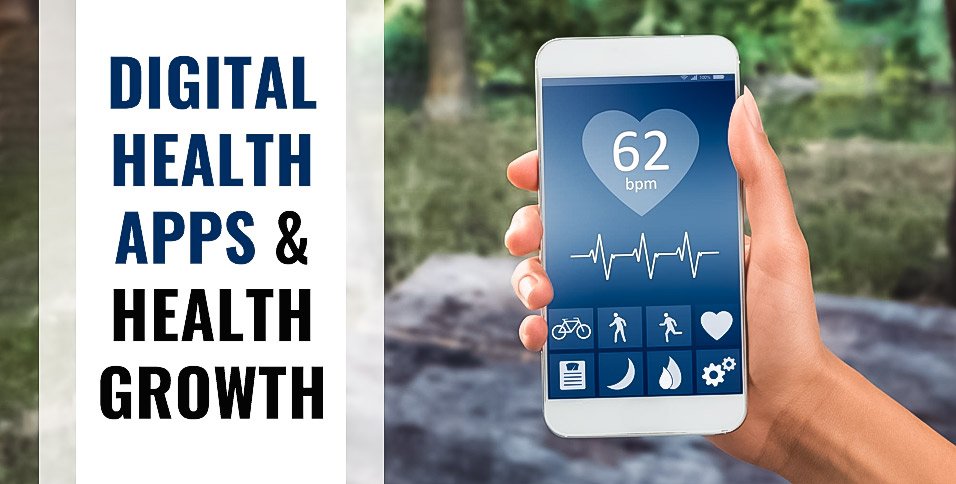
Digital Health Apps & Health Growth: Top Mobile Trends Changing Patient Engagement.
Mobile apps for healthcare has changed the entire healthcare market in recent years increasing accessibility, personalization and efficiency. With the ability to track fitness goals, access telemedicine and to monitor heath, these digital health apps have become indispensable in modern medicine. Digital health and patient engagement are interlinked with each other, with patient engagement technology enabling patients to take more proactive role in managing their health. Whether it’s remote consultations, personalized health tracking apps or instant access to medical records, digital tools help patients to stay more informed and involved in the healthcare. It is anticipated that the use of mobile apps for healthcare will continue to grow as sector
Data Interoperability in US Healthcare: The Key to Connected, Patient-Centric Systems
In this digital world, it’s very important to have the right health knowledge at the right time. Imagine going to a new doctor and not having to go over your old medical information again because the new doctor already has it. This is what healthcare data sharing means: health data can move easily and safely between systems, which can improve care and save time, money, and even lives. What Is Data Interoperability? It is called “data interoperability” when different health technology platforms can easily share, understand and use patient data. It’s like being able to easily send and receive texts on different phones, even if they are made by different